
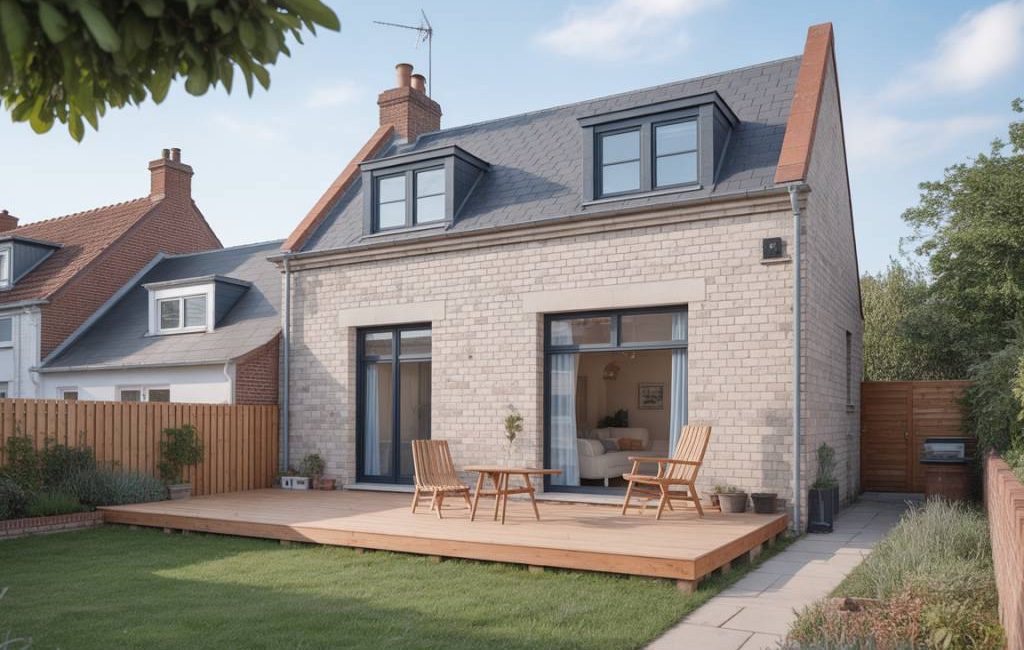
Understanding What a Small Home Extension Involves
A small home extension is one of the most effective ways to create extra living space without moving house. Whether you are adding a compact kitchen extension, a small rear extension, or a side-return extension, careful planning and project management are essential. A well-planned extension can increase your property’s value, improve energy efficiency and create a layout that better suits your lifestyle.
Before you start, it is important to define what “small” means in the context of your project. For many homeowners, a small extension might be between 10 and 25 square metres, often used to enlarge a kitchen, create a utility room, add a home office, or extend a living or dining area. Even with limited square footage, structural changes, foundations, services (electricity, plumbing, heating) and finishes all need to be considered from the beginning.
Clarifying Your Goals and Space Requirements
The first step in planning a small home extension is to be very clear about why you need the extra space and how it will be used on a daily basis. This will guide layout decisions, finishes and your overall budget.
Ask yourself:
- What function will the new space serve (kitchen, office, playroom, bedroom, utility, dining)?
- How many people will use it, and at what times of day?
- Do you need lots of natural light, built-in storage or direct access to the garden?
- Will this extension need plumbing (for a bathroom or kitchen) or only electrics and heating?
- Do you plan to open up existing walls to create an open-plan layout?
At this stage, sketch simple layouts on paper or use basic design software. Think about furniture sizes, circulation space, door positions and windows. The more clearly you define your needs, the easier it will be for an architect or builder to propose suitable solutions.
Setting a Realistic Budget for Your Extension
Budget is a crucial element of small home extension planning. Building costs vary depending on your location, level of finish, structural complexity and whether you are extending at the rear, side or over an existing structure.
When creating your budget, remember to include:
- Design and professional fees (architect, structural engineer, surveyor)
- Planning application and building control fees, where applicable
- Construction costs (labour and materials)
- Structural work (foundations, steel beams, load-bearing alterations)
- Windows, doors, rooflights or skylights
- Plumbing, heating and electrical work
- Flooring, plastering, painting and internal joinery
- Kitchen or bathroom fittings, if relevant
- Contingency (typically 10–15% for unforeseen issues)
A small home extension can still represent a significant investment. Comparing quotes from several reputable builders and requesting itemised costs will help you understand where your money is going and where you might make savings without compromising on quality.
Checking Planning Permission and Building Regulations
Before you move forward, you need to understand the legal and regulatory framework for home extensions in your area. Even a small extension may require formal approval.
Key points to investigate include:
- Whether your extension can be built under permitted development rights or needs full planning permission
- Restrictions related to conservation areas, listed buildings or protected streetscapes
- Height limits, depth restrictions for rear extensions, and distance from boundaries
- Impact on neighbouring properties, including overshadowing and overlooking
- Building regulations covering structural safety, fire safety, insulation, ventilation and drainage
In many regions, building regulations approval is mandatory, even if planning permission is not required. Check with your local planning authority or building control department. For complex projects, engaging an architect or planning consultant can save time and reduce the risk of costly mistakes or refusals.
Working with an Architect or Designer
For a small extension, some homeowners consider working directly with a builder and skipping architectural services. However, using an architect or experienced residential designer often leads to a more efficient layout, better light, and a finish that feels integrated with the rest of the house.
An architect or designer can help you:
- Refine your brief and test different layout options
- Maximise natural light through glazing, rooflights and orientation
- Ensure the extension is in keeping with your existing building’s style
- Prepare planning drawings and handle planning applications
- Co-ordinate with a structural engineer for calculations and specifications
- Produce detailed construction drawings to minimise on-site guesswork
Even on a small project, professional design input can improve functionality and resale value. Request a clear fee proposal and ask to see examples of previous small home extensions similar to what you are planning.
Choosing the Right Builder and Tradespeople
Once the design is in place and approvals are underway or granted, the next step is to choose a reliable contractor. The quality of your builder’s work and their approach to communication will strongly influence the outcome of your project.
When selecting a builder for a small extension, consider:
- Experience with similar residential extensions and refurbishments
- References and reviews from past clients
- Membership of recognised trade associations, where applicable
- Insurance cover, including public liability and, if relevant, warranty schemes
- How they manage subcontractors (plumbers, electricians, roofers, plasterers)
- Clarity and detail in their written quotation and schedule
Request at least three written quotes based on the same set of drawings and specifications. Make sure each quote specifies what is and is not included (for example, skips, scaffolding, decoration, kitchen units, tiling). A slightly higher price from a well-reviewed builder can be better value than a very low quote with poor detail.
Planning the Timeline and Phases of Work
A small home extension can still be disruptive, particularly if you are living on site. Establishing a realistic programme of works with your builder will help you manage expectations and minimise stress.
A typical sequence for a small house extension might include:
- Site preparation, demolition and temporary protections
- Foundations and groundworks
- Structural frame, walls and roof construction
- Installation of windows, doors and rooflights
- First fix services (electrics, plumbing, heating, ventilation)
- Insulation and internal partitions
- Plastering and drylining
- Second fix joinery, electrics and plumbing
- Flooring, tiling, decorating and final finishes
- Snagging, testing and final sign-off by building control
Ask your builder for an approximate schedule, including start and finish dates, and discuss any periods where the water, heating or power may be interrupted. If structural openings are being created between the existing house and the new extension, plan when disruptive works will occur and whether temporary partitions are needed.
Managing the Build Day-to-Day
Active management is one of the most important aspects of a successful small home extension. Even if you have hired a main contractor to oversee the project, staying engaged and informed helps prevent misunderstandings and delays.
Effective management strategies include:
- Agreeing regular site meetings (weekly or fortnightly) with your builder
- Keeping written notes of decisions, changes and agreed costs
- Confirming any variations to the original specification in writing
- Checking that work aligns with the drawings and building regulations
- Ensuring deliveries (kitchen units, tiles, flooring, appliances) arrive on time
- Maintaining clear access routes and neighbourly communication about noise and parking
If you are managing some elements yourself, such as supplying fixtures and fittings, prepare a detailed schedule showing when each item is required on site. Delays in sourcing materials can slow down the whole project, so ordering in advance and confirming lead times is essential.
Designing for Light, Storage and Energy Efficiency
Because a small extension adds limited floor area, every detail must work hard. Beyond structural and legal requirements, you should pay special attention to light, storage and efficiency.
To make a small extension feel spacious and comfortable:
- Use large windows, bifold or sliding doors where appropriate to bring in natural light
- Consider rooflights or a glazed roof section in side returns or deeper plans
- Integrate built-in storage to reduce clutter and keep floor space clear
- Choose a consistent flooring material throughout to visually extend the space
- Opt for light, reflective finishes balanced with warm textures for comfort
- Upgrade insulation and glazing to improve thermal performance and reduce energy bills
Energy-efficient lighting, underfloor heating and well-designed ventilation can also make the new space more pleasant to use year-round. Even small decisions, such as the position of radiators or sockets, can affect how flexible and practical the room is in the long term.
Final Checks, Handover and Aftercare
As your small home extension nears completion, take time to review the work in detail. A structured handover phase helps ensure any defects are identified and corrected before final payment.
Key points to check include:
- All doors, windows, locks and handles operate smoothly
- Electrical sockets, lighting circuits and switches have been tested
- Plumbing fixtures are leak-free and drains run correctly
- Heating controls and thermostats are explained and functioning
- Finishes such as paint, tiling and flooring are neat and free from obvious defects
- Roof, flashing and gutters are properly installed and watertight
Your builder should provide relevant certificates and documentation, such as electrical and gas safety certificates, building control sign-off, warranties for windows and doors, and any product manuals. Keep these in a safe place for future reference and for potential buyers if you sell the property.
After you have lived with the new space for a few months, you may notice small issues such as minor shrinkage cracks or adjustments needed to doors. Many builders include a defects or snagging period during which they return to address these items. Confirm this arrangement in your contract from the outset.
A small home extension, when carefully planned and well managed, can transform the way you use your house. By taking a step-by-step approach – from defining your requirements and securing permissions, to choosing the right professionals and staying involved throughout the build – you can create a compact, efficient and attractive addition that enhances both your daily life and the long-term value of your home.