When people hear the words “home remodel,” they often picture dust sheets, a few grumbled phone calls, and a kitchen they can’t use for six weeks. Fair enough, that can happen. But in the hands of the right home remodelers, a renovation is much more than a disruption to daily life. It is a chance to reshape how a property works, feels, and performs for years to come.
Whether you own a compact terrace, a post-war semi, or a house that has been patched together by several previous owners with more enthusiasm than planning, a good remodel can turn “making do” into “living well.” The trick is knowing what skilled remodelers actually bring to the table. It is not just new tiles or a fresh coat of paint. It is spatial thinking, problem-solving, technical know-how, and a practical understanding of how homes are really used.
What home remodelers really do
Home remodelers are often misunderstood as people who simply “make things look better.” That is part of the job, of course, but the best ones do much more than cosmetic work. They assess the structure, identify opportunities, and redesign spaces so they function properly for modern life.
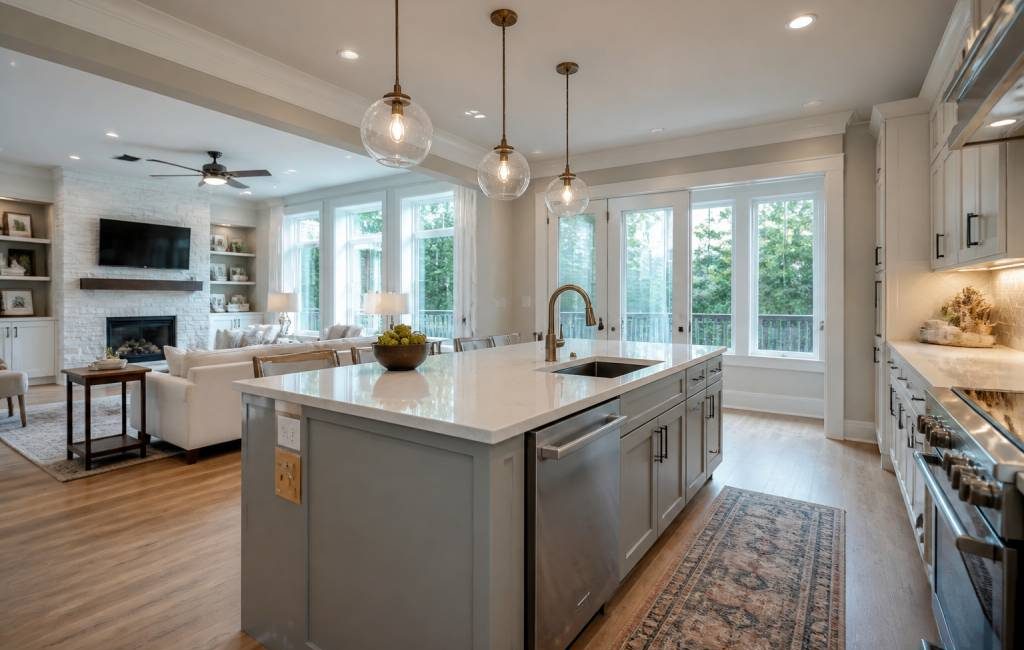
A remodeler might open up a cramped kitchen, rework a dated bathroom, improve storage, install more efficient lighting, or reconfigure a layout so the home feels larger without adding a single brick to the exterior. In many cases, they also coordinate with plumbers, electricians, plasterers, carpenters, and decorators to make sure everything comes together properly.
That coordination matters. A property can look great on a mood board and still fail miserably in real life if the electrics, ventilation, or flow are ignored. A seasoned remodeler sees the bigger picture. They ask: Where does the light come from? How do people move through the space? Is there enough insulation? Will this be easy to maintain in two years, not just impressive on day one?
They improve how a home works, not just how it looks
One of the biggest benefits of using home remodelers is that they can solve hidden frustrations that owners get used to over time. You know the kind: the door that bangs into the radiator, the kitchen drawer that can only be opened if the oven is closed, the hallway that somehow manages to feel narrower every winter when coats and boots take over.
Good remodelers look at these pain points and redesign the space around real living habits. That might mean:
- replacing awkward circulation with a clearer layout
- moving walls to create better room proportions
- adding built-in storage where clutter used to live
- improving natural light with larger openings or smarter glazing
- upgrading insulation and ventilation for year-round comfort
The result is often surprising. A modest rearrangement of space can make a house feel dramatically more spacious. I have seen homes where simply moving a doorway changed the whole rhythm of the ground floor. No magic, just thoughtful design and a builder who understood that every centimetre counts.
They help unlock the hidden value in your property
A remodel is not only about comfort. It can also be a smart financial decision. Buyers notice quality, flow, and finish. They also notice when a home has been intelligently updated rather than poorly patched. A well-executed remodel can increase a property’s appeal and, in many cases, its market value.
This is especially true when the work addresses common buyer concerns. A tired kitchen, an outdated bathroom, or a layout that wastes space can hold a property back. By contrast, a home that feels fresh, functional, and easy to live in often stands out immediately.
Home remodelers understand where improvements have the greatest impact. They know that not every upgrade pays back equally. Sometimes the best investment is not the most expensive one. For example, replacing an inefficient boiler, improving insulation, or redesigning a dark entrance hall may create more value than chasing luxury finishes in a room that already works well.
That said, presentation still matters. A crisp plaster finish, well-chosen flooring, and coherent materials can lift a whole property. Buyers may not know the technical details behind the work, but they absolutely notice when a home feels properly cared for. And in property, first impressions are powerful.
They spot problems before they become expensive mistakes
One of the quiet superpowers of experienced remodelers is their ability to spot trouble early. Behind a wall, under a floorboard, or above a ceiling, they may find the kinds of issues that inexperienced renovators miss until it is too late.
Think damp, rotten timber, outdated wiring, poor structural alterations from past work, or plumbing that has been installed in a very “creative” manner. If you have ever opened up a wall and found something that looked suspiciously like a DIY crime scene, you will know exactly why this matters.
Skilled remodelers are trained to read the signs. A slight floor slope, a hairline crack, or a suspicious stain can tell a story. They know when an issue is cosmetic and when it demands proper attention. That insight can save time, money, and a lot of stress.
It also helps with planning. Instead of being blindsided mid-project, you can budget more realistically and make informed decisions about where to invest. A remodeler who is honest about risks is worth their weight in plaster dust.
They bring design sense to everyday living
Good remodeling is not just technical. It is about how a home feels when you live in it day after day. That is where design thinking becomes essential.
Home remodelers often help homeowners choose layouts, finishes, and materials that suit both the property and the way they live. A busy family with young children needs something very different from a couple who work from home and entertain often. A smart remodel respects those differences rather than forcing a one-size-fits-all solution.
For example, an open-plan ground floor may be perfect for someone who values social space and natural light, but it can be frustrating if you need quiet corners for remote work. A remodeler can find a balanced approach, perhaps by creating partial separation, using glazing, or defining zones with flooring and joinery rather than solid walls.
Material choice matters too. Some finishes are beautiful but demanding. Others are forgiving and practical. A remodeler can steer you toward choices that are appropriate for the space, the budget, and the amount of maintenance you are actually willing to do. Because let us be honest: nobody falls in love with a house because the marble splashback looked “easy to wipe down” in a brochure.
They coordinate the moving parts of the project
Renovation projects have a habit of becoming more complicated than expected. One trade depends on another. The plumber cannot finish until the flooring is sorted. The electrician needs the layout confirmed. The plasterer is waiting on the studwork. And everyone, somehow, needs the same clear answer by Tuesday.
This is where home remodelers earn their keep. They manage the sequence of work, keep trades aligned, and reduce the chances of costly delays. A well-run project is not only about craftsmanship. It is about timing, communication, and a realistic understanding of how each stage affects the next.
Homeowners often underestimate how much coordination is involved in even a fairly small remodel. A competent remodeler can simplify that process by:
- creating a practical schedule of works
- lining up trades in the right order
- checking measurements and site conditions before work begins
- preventing clashes between design changes and technical requirements
- keeping the project moving when unexpected issues arise
That kind of organisation makes a huge difference to the final result. It is one thing to have a lovely design; it is another to have it delivered without a trail of avoidable problems behind it.
They can adapt older properties for modern life
Older homes have character, but they often need a fair amount of adaptation to meet modern expectations. Narrow kitchens, small bathrooms, poor insulation, and odd room proportions are common features in traditional properties. These are not flaws in themselves, but they do require careful thought.
Home remodelers are especially useful here because they understand how to work with an older building rather than against it. They know when to preserve original details and when to intervene for the sake of comfort, safety, or efficiency.
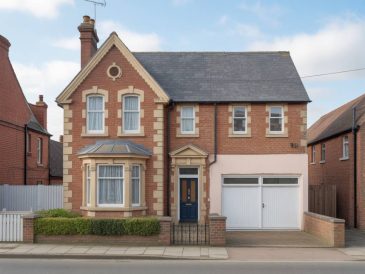
A Victorian house, for instance, might benefit from opening up the rear of the ground floor while retaining period features like cornices or sash windows. A 1930s semi may need a more practical kitchen extension or a reworked staircase landing. Even a more recent property can feel outdated if the internal layout no longer suits how people live.
The key is balance. Good remodelers do not strip out a home’s character just to make it “modern.” They improve usability while respecting the qualities that made the property appealing in the first place.
They help you avoid renovating in the wrong order
It is easy to get carried away by finishes. Paint colours, tiles, handles, taps, and flooring samples are the fun part. But a remodel that lasts depends on getting the sequence right. Fix the structure before the decoration. Sort out the services before the surfaces. Plan the layout before you start choosing hardware with names like “soft brass pewter smoke.”
Home remodelers help homeowners avoid the classic mistake of putting style before substance. They understand that some decisions are irreversible or expensive to change later. Moving a wall, upgrading wiring, or altering plumbing should be considered carefully before anyone starts ordering fittings.
This does not make the process dull. In fact, it usually makes it more satisfying. Once the fundamentals are sound, the decorative choices have a better chance of shining. Your lovely new finishes will not be let down by poor planning underneath them.
They make your home more comfortable and efficient
A property transformation is not always about drama. Sometimes it is about removing daily friction. Better insulation, improved heating control, smarter lighting, and better layout planning all contribute to a home that feels easier to live in.
Energy efficiency is a major part of that. During a remodel, there is often an opportunity to improve draught proofing, insulation levels, window performance, and the efficiency of heating systems. These improvements may not be as visible as a new kitchen island, but they can have a real effect on comfort and running costs.
There is also the simple matter of usability. A home that is easier to clean, easier to heat, and easier to move through is a better home. It sounds obvious, but it is amazing how often properties are designed in ways that make ordinary life unnecessarily awkward. Remodelers can correct that, one practical decision at a time.
Choosing the right remodeler matters
Not all remodelers work in the same way, and not every project needs the same level of involvement. Some homeowners only need help with a single room, while others are planning a full-property transformation. Either way, choosing the right professional is essential.
Look for someone who listens carefully, asks sensible questions, and explains things clearly. A good remodeler should not drown you in jargon or push ideas without understanding your priorities. They should be able to translate technical detail into plain English and help you see the trade-offs in each decision.
It is also worth checking whether they have experience with properties like yours. A remodeler who understands older homes, for example, may be better suited to a period property than someone who mostly works on new builds. Experience does not just mean years on the job; it means having solved the kind of problems your property is likely to present.
And do not be shy about asking for examples of past work. Photos are useful, but so is hearing how a project was handled when something unexpected came up. Renovation success is often defined not by the absence of problems, but by how well those problems were managed.
A smart remodel changes more than the floor plan
When home remodelers do their job well, the effect goes beyond fresh surfaces and improved layouts. They change how a property supports your daily life. They make rooms more intuitive, storage more sensible, light more abundant, and maintenance less of a chore.
That transformation can be subtle or dramatic. Sometimes it is a single clever adjustment that changes everything. Sometimes it is a full reworking of a property from top to bottom. In both cases, the principle is the same: good remodeling makes a house more valuable, more practical, and more enjoyable to live in.
If your home is starting to feel cramped, dated, or awkwardly arranged, it may not need a move. It may need a rethink. And that is exactly where a skilled remodeler comes in — with a tape measure, a practical head, and just enough imagination to turn a frustrating property into a place that finally works the way it should.