
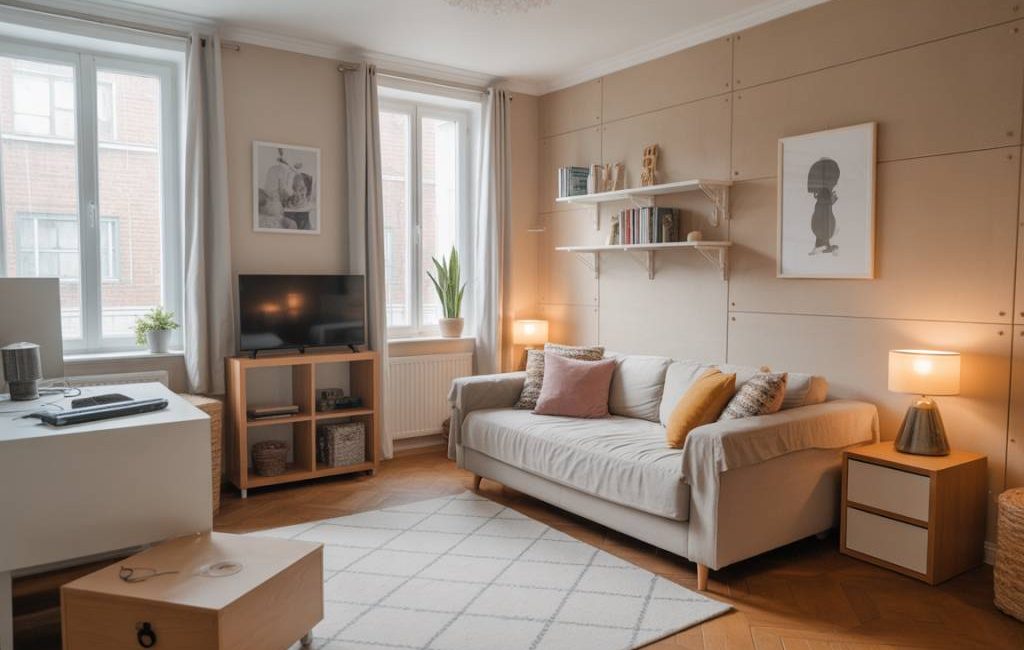
Creating a quieter home is one of the most effective ways to improve everyday comfort, especially in busy urban environments or noisy apartment buildings. Soundproofing does not always require a major renovation or professional contractor. With a basic understanding of how sound works and a few beginner-friendly soundproofing projects, you can noticeably reduce noise from neighbors, traffic, footsteps, and home appliances.
Understanding the Basics of Home Soundproofing
Before starting any DIY soundproofing project, it is helpful to understand what you are trying to control. In home acoustics, there are two main types of noise:
- Airborne noise – sound that travels through the air, such as voices, TV, music, barking dogs, or traffic.
- Impact noise – sound created by direct impact on a surface, such as footsteps on a floor, chairs dragging, or doors slamming.
Most simple home soundproofing projects focus on three principles:
- Adding mass – heavier and denser materials block sound better than light, hollow ones.
- Sealing gaps – even small gaps around doors, windows, and walls let surprising amounts of noise pass through.
- Decoupling and damping – separating surfaces and using sound-damping materials helps reduce vibration and echo.
As a beginner, you can start with surface-level upgrades and reversible solutions. These are budget-friendly and suitable for renters, while still improving sound insulation and acoustic comfort.
Simple Soundproofing Projects for Doors
Doors are one of the weakest points in a home’s sound barrier. Hollow-core interior doors in particular offer very little sound isolation. Improving door soundproofing is an accessible project with a strong impact on perceived noise levels between rooms.
1. Seal gaps around the door
Sound sneaks through the same gaps that let in drafts. Sealing these gaps is a fast and inexpensive way to reduce noise transfer.
- Install adhesive foam weatherstripping around the door frame to close side and top gaps.
- Add a door sweep or automatic door bottom to cover the gap beneath the door.
- For renters, use removable or low-tack products that can be peeled off without damage.
2. Add mass to light doors
If replacing a hollow-core door with a solid-core model is not an option, increasing the mass of the door can still help.
- Install a soundproofing blanket or acoustic curtain on the room side of the door.
- Use a decorative quilted panel or upholstered board fixed with hooks or removable strips.
- In home offices or media rooms, consider a dedicated soundproof door cover designed for noise reduction.
These simple upgrades combine extra mass with airtight sealing, making interior doors far more effective at blocking household noise.
Beginner-Friendly Window Soundproofing Ideas
Windows let in natural light but also outside noise: traffic, street conversations, sirens, or noisy neighbors. Full window replacement with double or triple glazing is effective but costly. Fortunately, there are also simpler, more affordable options.
1. Use thermal and acoustic curtains
Heavy, multi-layered curtains can significantly reduce airborne noise while also improving thermal insulation.
- Choose thick, tightly woven blackout curtains or curtains marketed as sound-reducing or noise-dampening.
- Mount the curtain rod slightly above and wider than the window frame so fabric overlaps the wall, not just the glass.
- Layer sheer curtains behind heavy drapes for a balance of light control and sound absorption.
2. Seal gaps and cracks around windows
Even well-made windows can let noise through if the frame is not properly sealed.
- Apply acoustic caulk or flexible sealant to any visible gaps around the window frame and trim.
- Use self-adhesive weatherstripping to seal moving sashes while still allowing them to open.
- Check old putty or sealant on older windows and replace if it is cracked or missing.
3. Consider removable window inserts
For rooms facing a noisy street, a removable interior window panel can provide an extra sound barrier.
- Install acrylic or glass window inserts mounted inside the existing frame to create an air gap.
- Some brands offer DIY window soundproofing kits that press into place and are fully removable.
- This option is particularly attractive for renters who cannot modify exterior windows.
Improving Wall Sound Insulation without Major Renovation
Walls between apartments or adjoining rooms can transmit conversation, TV noise, or music. While professional soundproof walls use specialized assemblies and insulation, there are lighter solutions for existing walls.
1. Rearrange furniture for better sound blocking
Sometimes the simplest soundproofing method is a strategic change in layout.
- Place large bookcases or wardrobes against shared walls to add density.
- Fill shelves with books, storage boxes, and textiles to absorb sound.
- Avoid placing beds or desks directly against thin partition walls when possible.
2. Use fabric and acoustic wall decor
Hard, bare walls reflect sound, amplifying echo and making noise feel more intrusive.
- Hang thick fabric wall hangings, large canvases, or upholstered panels on critical walls.
- Consider acoustic wall panels made from foam, felt, or mineral fiber to absorb mid and high frequencies.
- Arrange panels at ear level in home offices, media rooms, and bedrooms for maximum benefit.
3. Add a second interior layer (advanced beginner project)
For homeowners willing to take on a more involved DIY project, adding a second layer of drywall or sound-dampening boards can noticeably improve sound isolation.
- Use sound-damping drywall or attach a standard drywall layer with a viscoelastic damping compound between layers.
- Stagger seams and seal all edges with acoustic caulk to reduce sound leaks.
- This project requires basic carpentry tools and may not be suitable for renters, but it offers a significant improvement for home studios or bedrooms.
Reducing Noise from Floors and Ceilings
Impact noise from footsteps, dropped objects, or moving furniture is especially noticeable in multi-story homes and apartment buildings. Softening hard surfaces and adding cushioning layers can help limit both impact and airborne noise.
1. Use rugs and sound-absorbing underlays
Floors finished with tile, laminate, or hardwood reflect and transmit a lot of sound. The quickest remedy is to introduce textiles.
- Place thick area rugs in high-traffic zones, hallways, and above neighbors’ ceilings.
- Add rug pads or dedicated acoustic underlays underneath for extra impact noise reduction.
- In children’s rooms or play areas, use interlocking foam tiles to cushion both sound and falls.
2. Reduce chair and furniture impact noise
Sliding chairs and moving furniture can be surprisingly loud, especially on hard floors.
- Attach felt pads under chair legs, tables, and storage units.
- Use soft casters for office chairs instead of hard plastic wheels.
- Place floor protectors or mats under frequently moved furniture.
3. Treat ceilings with soft finishes
Ceiling soundproofing is often more complex, but some surface-level treatments can help reduce echo and minor noise transfer.
- Install acoustic ceiling tiles in suspended grid systems where allowed.
- Use ceiling-mounted acoustic panels or decorative fabric “clouds” in home studios and offices.
- In certain cases, a secondary ceiling with resilient channels and insulation can be added, but this is usually a professional job.
Creating a Quieter Bedroom or Home Office
Bedrooms and home offices are often the top priority when it comes to soundproofing a home. Sleep quality and concentration depend heavily on a low-noise environment.
Bedroom soundproofing tips
- Use blackout and acoustic curtains on bedroom windows facing the street.
- Choose an upholstered headboard and soft bedding to help absorb sound.
- Consider a white noise machine or noise-masking app to cover intermittent sounds like traffic or neighbors.
- Seal door gaps to prevent hallway noise from entering.
Home office soundproofing tips
- Install acoustic panels on the wall in front of and beside your desk to reduce echo on calls.
- Use a solid-core door or door soundproofing kit if privacy and confidentiality are important.
- Isolate noisy equipment (printers, external drives) on vibration-absorbing pads.
- Place bookshelves, filing cabinets, and storage units strategically to add density to thin walls.
Choosing Soundproofing Materials and Products
The soundproofing and acoustic market can be confusing for beginners, with many overlapping terms and marketing claims. A few core product categories are especially useful for simple home projects.
- Acoustic foam panels – good for reducing echo and improving sound quality inside a room; limited effect on blocking noise between rooms.
- Mass loaded vinyl (MLV) – a dense, flexible barrier that can be added inside walls, under floors, or behind drywall for more advanced projects.
- Acoustic caulk – non-hardening sealant used to close gaps and cracks in walls, ceilings, and around frames.
- Sound-dampening drywall – specialized boards that combine gypsum with damping layers to reduce sound transmission.
- Noise-reducing curtains and blankets – heavy textiles designed to absorb and partially block sound; ideal for renters and temporary setups.
When shopping, pay attention to technical measures such as STC (Sound Transmission Class) for how well a material blocks airborne noise, and NRC (Noise Reduction Coefficient) for how well it absorbs sound inside a room. These ratings help compare products objectively.
Planning a Soundproofing Strategy for Your Home
Effective soundproofing does not have to happen all at once. A step-by-step, targeted approach often offers the best return on investment.
- Identify the main sources of noise – outside traffic, upstairs neighbors, shared walls, or interior echoes.
- Start with simple, reversible improvements such as rugs, door seals, curtains, and furniture placement.
- Focus on one room at a time, typically the bedroom or home office, to quickly feel a difference.
- Only then consider structural upgrades like added drywall layers, decoupled ceilings, or full window replacements.
By combining small, accessible projects with a basic understanding of how sound travels, even beginners can transform a noisy home into a calmer, more comfortable living space. Over time, layering different solutions—sealing gaps, adding mass, and improving absorption—creates a more complete soundproofing system tailored to your lifestyle and your building.