Transforming an unused attic into a bright, functional loft conversion is one of the most effective ways to add living space and value to a property. Whether you are considering an extra bedroom with en-suite, a home office, or a studio, planning a loft conversion requires careful thought about costs, building regulations, and design details. This essential guide walks you through each step so you can approach your project with confidence.
Assessing If Your Home Is Suitable for a Loft Conversion
Before you start requesting quotes or contacting an architect, it is crucial to check whether your existing loft can be converted. Not every roof space is suitable, and discovering limitations early will help you set realistic expectations and avoid expensive surprises.
Key factors to assess include:
- Head height: As a rule of thumb, you need at least 2.2 m of clear headroom in the highest part of the loft. Measure from the top of the existing ceiling joists to the underside of the ridge beam.
- Roof pitch and shape: Steeper roofs often provide more usable space. Traditional cut roofs (with rafters and purlins) are usually easier to convert than modern trussed roofs, which may require more structural work.
- Footprint: The floor area should be large enough to accommodate a practical layout, including circulation space and the staircase.
- Existing structure: The walls and foundations must be capable of taking the additional load from the new floor and roof alterations. A structural engineer can advise on this.
- Access and staircase position: Think about where a new staircase can be installed without compromising key rooms on the lower floor.
Many homeowners start by inviting a loft conversion specialist or architect to conduct a site visit. They can confirm whether your loft is suitable and discuss which type of conversion would work best.
Types of Loft Conversion
The type of loft conversion you choose will influence the overall cost, level of disruption, and the amount of additional space you gain. Understanding the main options helps you refine your brief and budgeting.
- Rooflight (Velux) loft conversion: This is the simplest and often the most cost-effective option. The existing roof line remains largely unchanged and roof windows are added for natural light. It works best where you already have decent head height.
- Dormer loft conversion: A dormer extends vertically from the existing roof, creating more headroom and floor space. A rear dormer is very common in terraced and semi-detached homes and usually falls under permitted development in the UK, subject to size limits.
- L-shaped dormer conversion: Often used in Victorian and Edwardian properties, this creates an additional box-shaped structure over the main roof and rear outrigger, maximising space for an extra bedroom and bathroom.
- Hip-to-gable loft conversion: Suitable for hipped roofs on semi-detached or end-of-terrace houses, this extension converts the sloping side roof into a vertical gable wall, adding considerable volume.
- Mansard loft conversion: This involves replacing one or both slopes of the roof with a near-vertical wall and a flat or shallow roof on top. Mansard conversions are more intensive and often require planning permission but create a large, almost full-height floor.
Planning Permission and Building Regulations
One of the biggest questions for homeowners considering an attic conversion is whether planning permission is required. In many cases, loft conversions can be carried out under permitted development rights, but there are important exceptions and detailed rules to follow.
Typical situations where planning permission may not be required include:
- Rear dormer or rooflight conversions that do not exceed the volume limits for your property type.
- Alterations that do not raise the highest part of the existing roof.
- Projects that avoid balconies, verandas, or major changes to the front roof slope.
However, planning permission is generally needed if:
- Your home is in a conservation area, national park, or is a listed building.
- The proposed loft conversion significantly alters the appearance of the roof, especially at the front.
- You plan a mansard conversion or a very large dormer exceeding permitted development volume allowances.
Regardless of planning permission, all loft conversions must comply with building regulations. These cover:
- Structural safety: New floor joists, beams, and any steelwork must be designed to support the extra loads.
- Fire safety: This includes fire-resistant doors, protected escape routes, smoke alarms, and in some cases upgraded fire protection to existing floors and walls.
- Insulation and energy efficiency: Adequate insulation to the roof, party walls, and floors is mandatory to meet current thermal performance standards.
- Ventilation: Windows, trickle vents, and mechanical extraction in bathrooms ensure fresh air and prevent condensation.
- Staircase regulations: Minimum widths, headroom, and handrail requirements must be followed to guarantee safe access.
Working with an architect, designer, or experienced loft conversion company will help ensure drawings, structural calculations, and specifications meet local building control requirements.
Typical Loft Conversion Costs
Budget is often the deciding factor in the scope and style of a loft conversion. Actual prices vary depending on location, size, specification, and structural complexity, but it is helpful to understand typical cost ranges and what influences them.
Main elements that affect total loft conversion cost include:
- Type of conversion: Rooflight conversions are generally the least expensive, while mansard and large dormer projects sit at the higher end due to the amount of structural work involved.
- Size and layout: More floor area, additional rooms, and intricate layouts with multiple windows or rooflights will increase labour and material costs.
- Structural modifications: Replacing trusses, adding steel beams, or strengthening foundations can significantly impact the budget.
- Specification and finishes: Choice of windows, flooring, built-in storage, bespoke joinery, and bathroom or kitchenette fittings will all influence the final figure.
- Professional fees: Architectural design, structural engineer reports, planning fees, and building control charges must be factored in.
To keep costs under control, request detailed, itemised quotations from several contractors, clarify exactly what is included, and set aside a contingency fund for unforeseen issues discovered during construction.
Design Tips for a Functional Loft Space
Beyond the structural and regulatory aspects, the success of a loft conversion is often determined by thoughtful interior design. Maximising natural light, storage, and circulation will make the new level feel like an integral part of your home rather than an afterthought.
Consider the following design strategies:
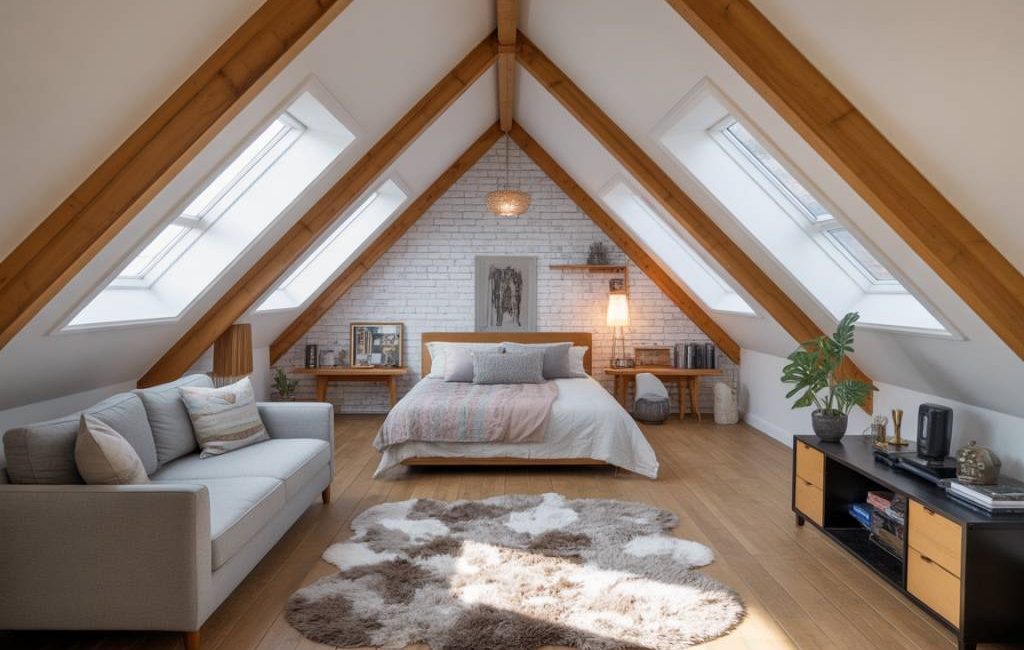
- Maximise natural light: Position roof windows or dormer windows on both sides of the roof where possible to create cross-lighting. Larger glazing areas not only brighten the space but can also make compact rooms feel more generous.
- Plan the staircase carefully: The staircase should be comfortable and meet building regs, but also integrate smoothly with the existing floor plan. Reusing an area over the existing staircase or a landing can minimise the loss of bedroom or living room space below.
- Use the eaves for storage: The lower, sloping sections of the loft are ideal for built-in cupboards, drawers, or shelving. Custom carpentry along the eaves helps maintain a clean, uncluttered main floor area.
- Think about ceiling heights: Place beds, sofas, or desks where the ceiling slopes, keeping circulation routes in the higher parts of the room. This improves comfort and reduces the feeling of restricted headroom.
- Choose a light colour palette: Pale walls, ceilings, and flooring reflect light and enhance the sense of space. Accents and textures can then be added with textiles, artwork, and furniture.
- Integrate heating and cooling: Radiators, underfloor heating, or electric panels need to be planned early. In warmer months, good insulation, ventilation, and possibly air conditioning or ceiling fans will help regulate temperature under the roof.
Planning a Loft Bedroom and En-Suite
Many homeowners choose to use the loft conversion to create a master suite, combining a bedroom with an en-suite bathroom or shower room. This can significantly increase both comfort and resale value, but it requires careful plumbing and layout planning.
Points to keep in mind include:
- Plumbing routes: Position the en-suite above or near existing bathrooms or soil stacks where possible. This simplifies pipe runs and helps control costs.
- Ceiling height in wet areas: Ensure adequate standing height in showers and around the basin and toilet. Dormer sections are often ideal for positioning a shower enclosure.
- Ventilation and moisture control: A high-quality extractor fan and appropriate window placement are essential to manage humidity and protect finishes.
- Sound insulation: Upgrading acoustic insulation between floors and within partition walls can improve privacy between the loft suite and rooms below.
Choosing Contractors and Managing the Build
Once your design is finalised and permissions are in place, the next step is appointing the right team to deliver the project. A loft conversion affects critical elements of your home’s structure and safety, so experience and reliability are more important than the lowest quote.
When selecting a loft conversion company or builder:
- Check previous projects and ask to see references or visit completed conversions.
- Confirm they are familiar with local planning rules and building control procedures.
- Request a written schedule of works, payment plan, and clear start and completion dates.
- Verify insurance cover, including public liability and, where appropriate, structural warranties.
During the build, regular communication is vital. Weekly site meetings, documented variations, and prompt decisions on finishes will help the project stay on track. Keep in mind that there will be periods of noise, dust, and temporary disruption; professional teams will aim to minimise inconvenience, but understanding the process makes it easier to manage expectations.
Adding Value and Future-Proofing Your Home
A well-planned loft conversion not only provides extra space but can significantly increase the market value of your property. Estate agents often highlight high-quality attic conversions as a major selling point, especially in urban areas where additional floor area is at a premium.
To maximise long-term benefits:
- Ensure all paperwork is in order: completion certificates from building control, planning approvals, and structural calculations are essential when selling.
- Design with flexibility in mind: a room that can function as a bedroom, office, or hobby space appeals to a wider range of buyers.
- Choose durable materials and timeless finishes: this reduces maintenance costs and helps the space age gracefully.
By carefully balancing budget, regulations, and thoughtful design, a loft conversion can transform underused roof space into one of the most desirable areas of your home, enhancing both day-to-day living and long-term property value.