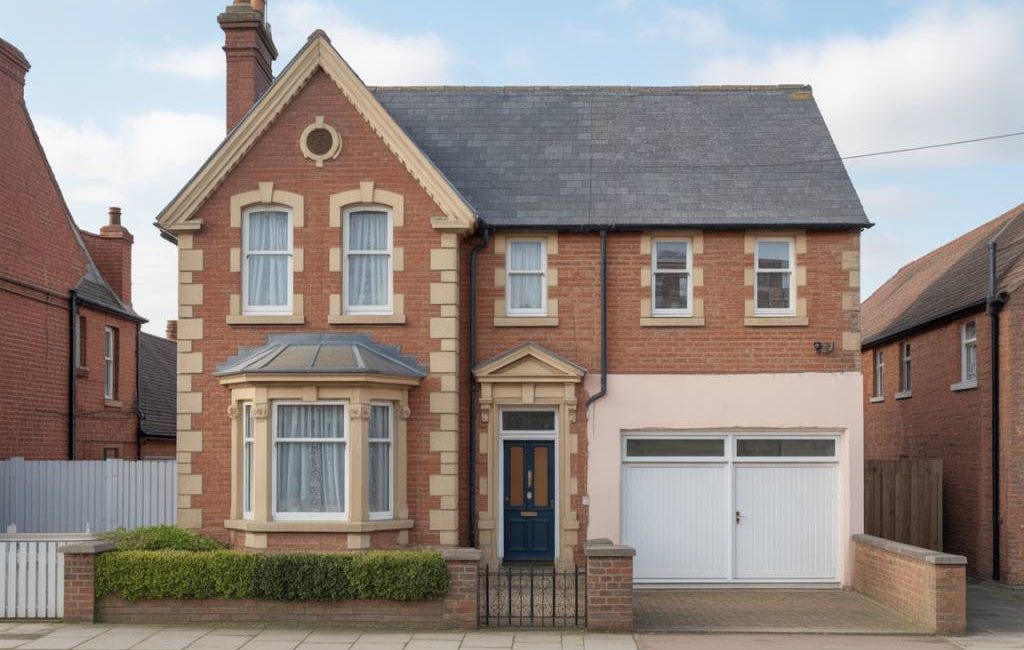
Home renovations in the UK often start with a simple idea: update the kitchen, add a loft conversion, or finally sort out that tired bathroom. Many homeowners set a budget, get a few quotes, and assume they have a realistic picture of the total renovation cost. In reality, there are many hidden costs of home renovations that rarely appear in initial estimates but can significantly increase the final bill.
This guide explores the most common unexpected expenses UK homeowners encounter during renovation projects, from planning and permissions to structural surprises and post-completion costs. Understanding these elements early can help you build a more accurate budget, compare builders more effectively, and avoid expensive shocks mid-project.
Planning Permissions, Surveys and Professional Fees
Before a single brick is laid or wall is removed, you may incur a range of professional and administrative costs that are easy to underestimate.
Planning permission and lawful development certificates
Not all home improvements require planning permission, thanks to Permitted Development Rights, but many do. Even when you do not strictly need permission, you may still want formal confirmation.
Planning application fees for householder developments in England are typically a few hundred pounds, but can be higher for major works.
Certificates of Lawful Development, used to prove your extension or loft conversion is legal, also come with a fee.
In conservation areas or for listed buildings, additional applications and specialist reports may be required.
Architects, designers and structural engineers
Basic renovation quotes from builders often exclude professional design and structural input. Yet for many projects, especially those involving extensions, loft conversions or removing load-bearing walls, these services are essential.
Architects or architectural technologists produce drawings, plans and 3D visualisations, and can handle planning submissions.
Structural engineers calculate load-bearing requirements, specify steel beams (RSJs), and provide calculations for Building Control.
Interior designers may be needed if you want a cohesive scheme, bespoke storage or specialist lighting layouts.
Professional fees can represent a noticeable portion of your overall home renovation cost, but skipping them can be a false economy, especially where structural safety and compliance are concerned.
Building Regulations and Building Control Costs
Even when you do not need planning permission, most renovation works in the UK must comply with Building Regulations. This is a separate process, involving Building Control officers from the local authority or an approved inspector.
Building Control inspections and certificates
Application fees to Building Control are often overlooked when budgeting.
Multiple site inspections may be required at different stages: foundations, structural elements, insulation, electrical and plumbing works.
At the end of the project, you should receive a completion certificate, which is important when you come to sell your property.
If you fail to arrange proper inspections, you may later need expensive remedial work, retrospective approvals or indemnity insurance when selling. Factoring in the cost and time needed for Building Control from the outset is essential.
Structural Surprises and Hidden Defects
One of the biggest risks in home renovation is what you cannot see before work starts. Once walls, ceilings or floors are opened up, hidden problems often emerge.
Common structural and fabric issues
Rotten timbers and joists, particularly in older properties or where there has been a historic leak.
Outdated or unsafe wiring requiring a full or partial rewire.
Old plumbing systems with corroded pipes that fail pressure tests once disturbed.
Inadequate foundations revealed when excavating for an extension or bi-fold doors.
Unstable chimney breasts or cracked masonry needing structural reinforcement.
These issues rarely appear in an initial builder’s quote, because they are not fully visible until demolition begins. A pre-renovation survey by a chartered surveyor can help identify risks, but some problems only emerge mid-project.
Experienced contractors will often recommend including a contingency allowance of 10–20% of the total renovation budget specifically for unknowns, particularly in older UK properties with mixed construction methods.
Asbestos, Damp and Other Remediation Costs
Many British homes, especially those built between the 1950s and 1980s, may contain asbestos in ceilings, insulation, floor tiles or textured coatings. Similarly, damp and mould can require more extensive treatment than homeowners anticipate.
Asbestos surveys and removal
A refurbishment and demolition (R&D) asbestos survey is often required before major renovation or structural work.
If asbestos-containing materials (ACMs) are found, licensed removal, disposal and air testing add significant cost and extend timescales.
Illegal or improper removal can pose serious health risks and lead to fines.
Damp treatment and associated repairs
Rising damp, penetrating damp and condensation issues may be uncovered once plaster is removed.
Professional damp surveys, chemical treatments, tanking systems and new plasterwork come with additional costs.
External works such as repointing brickwork, improving drainage or repairing gutters may be needed to address the root cause.
Ignoring these issues or opting for quick fixes can undermine the quality of your renovation and affect long-term property value.
Utilities Upgrades and Compliance
Home renovations often reveal that existing services are not up to modern standards or do not have the capacity to support new layouts and appliances.
Electrical systems
Old fuse boxes (consumer units) may need upgrading to comply with current regulations.
A new kitchen or extension can require additional circuits, new sockets and more complex lighting schemes.
Part P registered electricians must certify the work, and this certification may involve extra costs.
Plumbing and heating
A new bathroom, underfloor heating or larger hot water demand can expose limits in your existing boiler and pipework.
Moving radiators or reconfiguring a central heating system is more labour-intensive than many quotes reflect.
Gas Safe registered engineers may need to carry out upgrades, safety checks and issue certificates.
Water, gas and electricity connections
For substantial extensions or outbuildings, new service connections or meter relocations may be needed.
Utility companies charge for this work separately from your builder’s quote and often have long lead times.
These hidden renovation costs are crucial to budget for, particularly in older UK homes where infrastructure has not been upgraded for decades.
Site Preparation, Waste Removal and Access Issues
Many homeowners focus on finishes and fixtures, but the practicalities of getting materials and trades on site can carry significant costs.
Scaffolding and access
Roof work, loft conversions and chimney repairs almost always require scaffolding.
Properties on narrow streets or with limited access may need bespoke scaffolding solutions or temporary road closures.
Scaffolding hire is usually priced per week, and delays can push this cost up quickly.
Skip hire and waste disposal
Renovation projects generate far more waste than many people expect: old plaster, bricks, tiles, timbers and packaging.
Multiple skips may be required, and permits are needed if skips are placed on public roads.
Certain materials, such as plasterboard or contaminated waste, must be disposed of separately.
Site set-up and protection
Protecting existing floors, windows and fixtures from dust and damage requires materials and labour.
Temporary partitions, dust sheets and security measures (such as temporary doors or alarms) add to the bill.
These items are sometimes listed as “preliminaries” in a builder’s estimate; if you are comparing quotes, ensure each contractor has included similar allowances.
Finishes, Fixtures and Specification Creep
It is common to budget for basic materials, only to discover mid-project that your preferences and real costs do not match the original assumptions.
Upgrading from basic to premium finishes
Kitchen renovations often run over budget due to choices of worktops (quartz, granite), appliances and bespoke cabinetry.
Bathroom renovations can see costs rise quickly with higher-spec tiles, brassware, shower screens and underfloor heating.
Flooring choices, such as engineered wood, LVT or high-quality carpet, often cost more than initial allowances.
Small extras that add up
Additional sockets, lighting points, smart home systems and data cabling.
Built-in storage, shelving, wardrobes and joinery not included in the original quote.
Decorating costs when you decide to repaint adjacent rooms to match the renovated area.
This phenomenon is sometimes called “specification creep” — a gradual upgrading of materials and products as you make final decisions. To manage this, ask builders to specify exact allowances (PC sums) for items like tiles, sanitaryware and appliances, and research realistic prices before signing a contract.
Temporary Accommodation and Lifestyle Disruption
The financial impact of a renovation is not limited to materials and labour. Major projects can disrupt daily life in ways that generate additional costs.
Alternative accommodation
If your kitchen is out of action for several weeks, you may rely more on takeaways or eating out.
For extensive renovations or structural works, you may need to rent temporary accommodation or stay with family, incurring travel and living costs.
Delays, which are common in complex projects, can extend these unplanned expenses.
Storage and logistics
Furniture and personal possessions may need to be moved into storage to protect them from dust and damage.
Self-storage units and removal services are often overlooked in early budgeting.
Building these soft costs into your total renovation budget provides a more honest picture of the true cost of home improvements.
Insurance, Warranties and Post-Completion Costs
Even after the builders have left, there are ongoing and end-of-project expenses to consider.
Home insurance adjustments
You should inform your insurer before major works begin; some policies require this, especially for structural alterations.
Your premium may increase after the renovation, particularly if you add floor area or high-value fixtures and fittings.
Snagging, maintenance and warranties
Minor defects (snags) often appear after you begin living in the renovated space and may require return visits from trades.
Some elements, such as flat roofs, external render or timber cladding, may need more maintenance than anticipated.
Extended warranties for boilers, appliances and glazing can add cost but may be worthwhile for long-term peace of mind.
Impact on council tax and energy bills
Significant extensions or layout changes can potentially affect your council tax band in the long term.
While good insulation and efficient heating can reduce energy bills, larger floor areas and more glazing can increase usage if not specified carefully.
Considering these factors as part of your renovation planning helps avoid the sense that costs continue to appear indefinitely after the project is “finished”.
How to Budget More Realistically for UK Home Renovations
Understanding the hidden costs of home renovations is the first step; the second is building a realistic financial plan.
Allow a contingency of at least 10–20% on top of the builder’s quote, especially for older properties.
Request itemised quotes that clearly separate labour, materials, preliminaries, professional fees and provisional sums.
Invest in pre-renovation surveys for structure, asbestos and damp where appropriate.
Clarify what is included in terms of waste removal, scaffolding, site protection and final decorating.
Research realistic prices for key items (kitchens, bathrooms, flooring, glazing) and check them against the allowances in your quote.
Factor in lifestyle costs: storage, eating out, temporary accommodation and time off work to oversee the project.
A carefully structured budget, combined with transparent communication with your contractor and professional team, is the most effective way to manage the true cost of renovating a home in the UK. By recognising and planning for these often-overlooked expenses, homeowners can protect their finances and enjoy the finished result with fewer unwelcome surprises.