


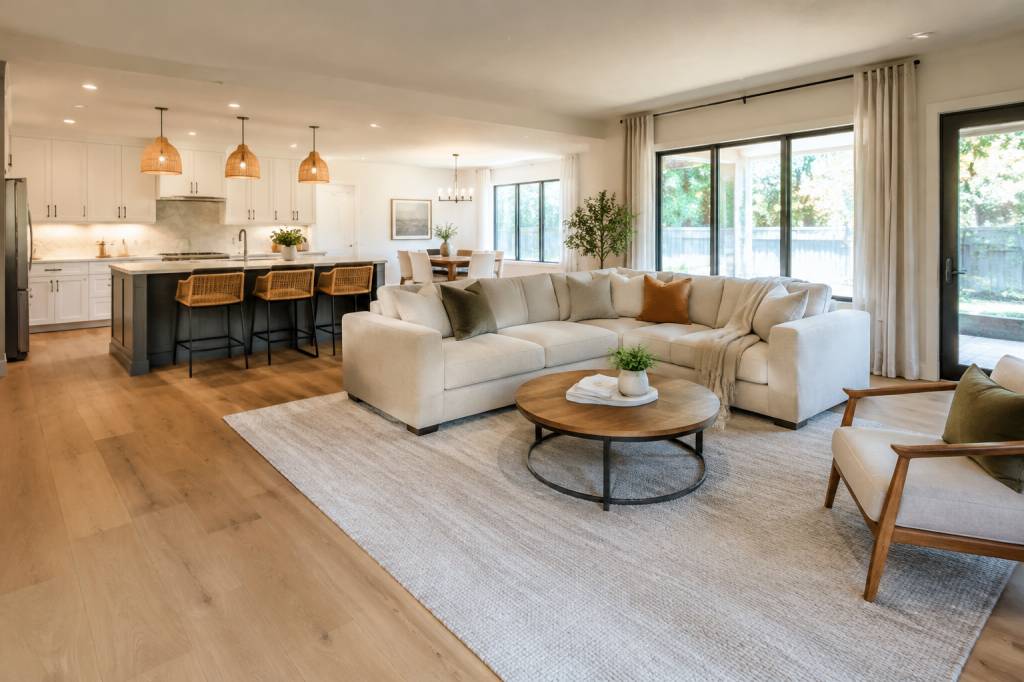
Remodelling a property in 2026 is about more than fresh paint and fashionable finishes. Homeowners are looking for spaces that work harder, cost less to run and feel genuinely suited to the way their families live. Whether you are updating a tired Victorian terrace, opening up a post-war semi-detached house or giving a compact flat a smarter layout, the right home remodelling services can make a remarkable difference.
The challenge is knowing where to begin. A successful project needs more than a Pinterest board and a hopeful delivery date. It requires a clear brief, sensible budgeting, reliable trades and decisions that will still make sense several years from now. As someone who has spent plenty of time around tools, plans and the occasional stubborn wall, I have learned that good preparation is often the most valuable part of any building project.
Why remodel your home in 2026?
Our homes have changed jobs. The kitchen may now be an office, dining room, homework station and social hub. A spare bedroom might need to serve as a guest room one week and a workspace the next. At the same time, energy costs remain an important consideration, while many homeowners want to improve their property without moving house.
Remodelling can help solve all of these problems. It may improve comfort, increase storage, reduce heat loss or simply make the property feel more like your own. The strongest projects combine practical improvements with attractive details, rather than chasing a short-lived trend.
There is also a financial argument. A well-planned renovation can support the long-term value of a property, particularly when it improves the kitchen, bathroom, layout, insulation or usable floor area. That does not mean every project should be designed around resale value. You have to live there first. A home that works beautifully for your daily routine is usually a better investment than one designed only to impress a future viewer.
The most useful home remodelling services
Every property has different needs, but several services continue to be particularly valuable for homeowners planning work in 2026.
- Whole-house renovations: Ideal for properties that need coordinated improvements to layout, finishes, electrics, plumbing and energy performance.
- Kitchen remodelling: A well-designed kitchen can improve storage, circulation and everyday comfort without necessarily requiring a huge extension.
- Bathroom refurbishment: Modern fittings, better ventilation and waterproof finishes can transform one of the hardest-working rooms in the house.
- Loft conversions: Converting unused roof space can provide a bedroom, office, studio or playroom while avoiding the cost of moving.
- House extensions: A rear, side or wraparound extension can create valuable living space, provided the design respects the existing building.
- Garage conversions: Often more affordable than an extension, a garage can become a comfortable office, gym, utility room or bedroom.
- Energy-efficiency upgrades: Insulation, draught-proofing, efficient heating, improved glazing and smart controls can make a home warmer and cheaper to run.
- Structural alterations: Removing internal walls, enlarging openings or changing floor layouts should always be assessed by the appropriate professionals.
Some contractors offer all these services under one roof, while others specialise in a particular area. The important point is coordination. A beautiful kitchen fitted before the plumbing is checked can quickly become an expensive lesson in sequencing.
Start with a clear project brief
Before speaking to builders, write down what you want the project to achieve. This sounds simple, but it prevents vague ideas from turning into uncontrolled spending. Think about how each room is used now, what frustrates you and what you would change if the walls were temporarily transparent.
Ask yourself a few practical questions:
- Which problems must be solved, and which improvements would simply be nice to have?
- Do you need more space, or do you mainly need better storage and a more efficient layout?
- Will you remain in the property during the work?
- How long do you expect to stay in the house?
- What level of disruption can your household realistically manage?
On one small renovation I worked around, the owners initially believed they needed an extension. Once the furniture, storage and circulation were reviewed, a revised internal layout gave them nearly everything they wanted. The project was quicker, less disruptive and considerably kinder to the budget. Sometimes the best building work is the work you avoid.
Planning permission, building regulations and surveys
Planning requirements depend on the location, property type and nature of the work. Some alterations may fall under permitted development rights, while others will require a formal planning application. Listed buildings, conservation areas and properties with previous planning restrictions need particular care.
Building regulations are a separate matter. Even if planning permission is not required, structural changes, insulation, electrics, plumbing, fire safety and ventilation may still need to comply with current standards. A reputable contractor should be able to explain which approvals are relevant, but the homeowner remains responsible for making sure the project is properly addressed.
For older properties, a survey can reveal issues that are not obvious during a quick viewing. Damp, roof defects, outdated wiring, movement, poor ventilation and hidden drainage problems have a habit of appearing at the least convenient moment. A pre-project inspection is not the most exciting expense, but it is usually cheaper than discovering a serious defect after the floor has been opened.
Making energy efficiency part of the design
In 2026, energy performance should be considered from the beginning rather than added as an afterthought. A remodelled home should not only look better; it should feel more comfortable in winter and avoid overheating in summer.
Depending on the property, useful improvements may include:
- Loft, wall or floor insulation where appropriate.
- Improved draught-proofing around windows, doors and service penetrations.
- High-performance glazing or carefully repaired existing windows.
- Efficient heating controls, zoning and modern radiators.
- Mechanical or passive ventilation in bathrooms, kitchens and upgraded spaces.
- Solar panels, battery storage or heat-pump technology where the property and budget make them suitable.
- LED lighting and smart controls that help reduce unnecessary energy use.
It is important not to treat energy upgrades as a collection of unrelated products. Improving airtightness without considering ventilation, for example, can create moisture problems. The house needs to work as a system. A good designer or building professional will look at the whole property rather than recommending the same solution to every client.
Designing kitchens and bathrooms for everyday life
Kitchens and bathrooms often provide the greatest visible transformation, but their success depends on details that are easy to overlook. In a kitchen, the position of the sink, hob, refrigerator, bins and storage affects how smoothly the room works. A stylish island is useful only if there is enough room to walk around it without performing an awkward daily dance with the dishwasher.
Durable materials matter too. Worktops, flooring, cabinet hinges, taps and sealants face constant use, moisture and cleaning. Choose finishes that suit your habits, not just the current catalogue photograph. A family kitchen may need robust, wipeable surfaces, while a quiet two-person home could prioritise open shelving or a larger preparation area.
Bathrooms need careful attention to waterproofing, ventilation and access for maintenance. Adequate falls to the shower, properly sealed joints and accessible isolation valves are small technical details that protect the room for years. Underfloor heating can add comfort, but it should be specified alongside insulation, floor build-up and the chosen heating system.
Creating flexible rooms
Flexible design is one of the most useful directions for modern remodelling. Instead of assigning a room to one permanent purpose, consider how it might change during the day or over the years.
A built-in desk can turn part of a landing or bedroom into a practical work area. Sliding or glazed doors can divide a large room without making it feel permanently closed. Joinery can conceal office equipment, toys or laundry supplies when they are not needed. In a loft conversion, thoughtful storage built into the eaves can make the difference between a beautiful room and a beautiful room that is impossible to keep tidy.
Good flexibility does not mean filling every space with clever gadgets. It means creating simple, adaptable solutions that support real routines. Before adding technology, ask whether a well-placed shelf, socket or cupboard would do the job more reliably.
Choosing the right contractor
The contractor you choose will influence the quality, cost and stress level of the entire project. Look for relevant experience rather than relying only on the lowest quotation. Ask to see examples of similar work and, where possible, speak to previous clients.
A professional quotation should explain the scope of work, materials, labour, allowances, exclusions and payment schedule. Be cautious when several quotations are close in price but one is dramatically cheaper. The missing cost may reappear later through variations, reduced specifications or unexpected charges.
Before work begins, confirm:
- Who will manage the project day to day.
- Which trades are included and which must be appointed separately.
- How changes will be priced and approved.
- What insurance the contractor carries.
- How waste, deliveries and site security will be handled.
- How defects or snags will be dealt with after completion.
Clear communication is not a luxury. It is part of the build. A short weekly meeting or written progress update can prevent minor uncertainties from becoming major disputes.
Building a realistic budget for 2026
Renovation costs vary widely according to location, specification, access, property age and structural complexity. Rather than beginning with a single optimistic figure, divide the budget into clear categories: professional fees, surveys, materials, labour, approvals, fixtures and a contingency allowance.
A contingency of around 10 to 20 per cent may be sensible for older or structurally complex properties. It is not a fund for changing your mind every Friday. It is protection against discoveries such as damaged joists, outdated drainage or wiring that cannot safely support the new layout.
To control spending, separate must-have items from upgrades. You might prioritise insulation, safe electrics and a sound roof before choosing premium taps or bespoke cabinetry. Finishes can often be upgraded later, while poor structural work is expensive to revisit.
Reducing disruption during the work
Even a well-managed renovation creates dust, noise and the occasional mysterious absence of a kettle. If you plan to remain at home, agree which areas will stay usable and how the site will be separated from the living space. Temporary kitchen facilities, secure storage and a clear route to the bathroom can make a major difference.
Protect floors and furniture, keep valuable items away from the work zone and make arrangements for children and pets. If the project involves removing the only bathroom or opening the roof, moving out for part of the build may be more practical than trying to live through an indoor obstacle course.
Order long-lead items early, but do not fill the house with materials before they are needed. Baths, windows, tiles and specialist fittings can delay a project if they arrive late; they can also become damaged if stored carelessly on site.
Small improvements that make a big difference
Not every transformation requires an extension or a complete strip-out. In many homes, a focused package of improvements can deliver excellent results. Replacing internal doors, upgrading lighting, improving storage, repairing timber floors, refreshing joinery and repainting tired rooms can change the character of a property surprisingly quickly.
One of my favourite approaches is to improve the parts people touch every day: door handles, switches, cupboard hardware, stair rails and work surfaces. These details are modest, but they shape how a home feels. Combine them with better lighting and a coherent colour scheme, and the result can be more convincing than an expensive makeover with no practical thought behind it.
The best home remodelling services in 2026 will not simply make a property look new. They will make it work better, perform more efficiently and feel comfortable for the people who live there. Start with the problems, plan the work carefully, choose skilled professionals and leave room for sensible adjustments along the way. A successful renovation is not about creating a show home; it is about building a home that supports real life, with all its muddy boots, busy mornings and well-earned cups of tea.