


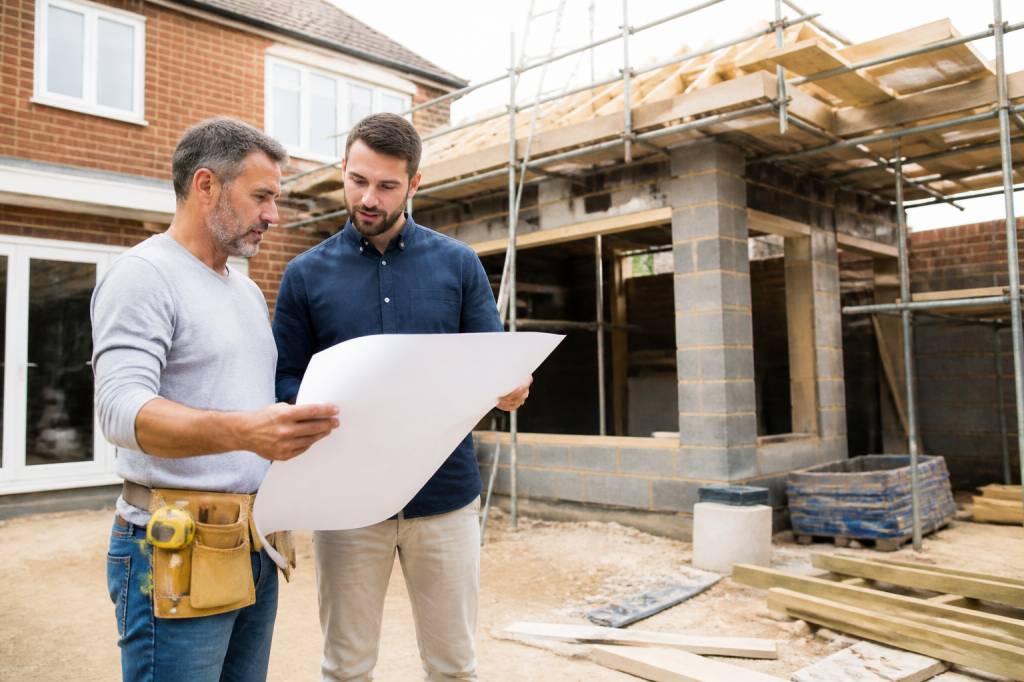
Choosing the right house additions contractor is one of the most important decisions you will make before extending or improving your home. A well-planned addition can transform a cramped kitchen, create a useful home office or add a comfortable bedroom without the upheaval of moving house. The wrong contractor, however, can turn an exciting project into a long-running source of stress.
As with most building work, success usually comes down to preparation. The best contractor is not simply the one with the lowest price or the most polished website. You need someone reliable, experienced and capable of turning your plans into a sound, well-finished addition.
Whether you are planning a rear extension, a side return, a loft conversion or a new garden room, these practical steps will help you choose with confidence.
Start with a clear project brief
Before contacting contractors, take time to define what you want to build. You do not need every tap and door handle selected, but you should have a clear idea of the project’s size, purpose and expected standard.
Ask yourself a few straightforward questions:
- What type of addition are you planning?
- How will the new space be used?
- Do you already have architectural drawings?
- Will planning permission or building regulations approval be required?
- What is your realistic budget?
- When would you ideally like the work to begin and finish?
A good brief might describe a single-storey rear extension with an open-plan kitchen, rooflights, underfloor heating and bi-fold doors. It should also mention any known constraints, such as restricted access, shared boundaries, drainage, mature trees or limited parking.
The clearer your information, the more accurate the contractor’s quotation is likely to be. Vague instructions often lead to vague prices, and vague prices have a habit of becoming rather less vague once the work is under way.
Decide which type of contractor you need
Not every building professional offers the same service. Understanding the differences can help you approach the right people.
A general building contractor or main contractor will usually coordinate several trades, including bricklayers, carpenters, electricians, plumbers and plasterers. This is often the simplest arrangement for a house addition because one company manages the programme and takes responsibility for coordinating the work.
A specialist contractor may focus on a particular type of project, such as loft conversions, conservatories or structural alterations. Specialist knowledge can be valuable, particularly where the work involves complex roof structures, steelwork or restricted access.
You could also manage the project yourself and employ individual trades directly. This may reduce the contractor’s management fee, but it requires considerable time, organisation and confidence. You will be responsible for scheduling deliveries, checking workmanship and resolving problems between trades. For a busy homeowner, the apparent saving can quickly disappear.
For most substantial additions, a reputable main contractor offers a sensible balance between convenience and control.
Look for relevant experience
Experience matters, but relevant experience matters more. A contractor who has built ten new-build houses may not necessarily be the best choice for a complicated extension to a Victorian terrace.
Ask potential contractors about projects similar to yours. Ideally, they should have experience with:
- The same type of addition, such as a rear extension or loft conversion.
- Properties of a similar age and construction.
- Projects with comparable budgets and levels of finish.
- Restricted urban sites or difficult access, if relevant to your home.
- Working alongside architects, structural engineers and building control.
Do not be afraid to ask how they dealt with challenges on previous jobs. A contractor who can calmly explain how they handled unexpected drainage, unstable ground or a delayed materials delivery is often more reassuring than one who claims that every project runs perfectly. Building work rarely follows a completely straight line; good professionals are prepared to manage the bends.
Check references and completed work
A contractor’s references should come from genuine, recent clients. Ask for contact details and permission to visit a completed project if possible. Photographs are useful, but they do not tell you everything. A carefully taken image will not show whether the contractor arrived when promised, kept the site secure or communicated properly when decisions were needed.
When speaking to previous clients, ask practical questions:
- Was the project completed close to the agreed programme?
- Did the final cost differ significantly from the original quotation?
- How did the contractor deal with changes or unexpected problems?
- Was the site kept reasonably clean and safe?
- Were the trades professional and respectful?
- Would the client use the contractor again?
That final question is often the most revealing. A small amount of dust is expected during construction, but poor communication and unfinished snagging should not be treated as part of the charm.
Verify insurance, qualifications and registrations
Before signing anything, check that the contractor has suitable insurance. Public liability insurance is essential because it covers injury to other people or damage to property caused by the contractor’s work. Employers’ liability insurance is also required if the contractor employs staff.
Ask to see current certificates rather than relying on a verbal assurance. You should also establish whether specialist work will be completed by appropriately qualified tradespeople. Electrical work, gas installations and certain heating systems must be carried out by competent professionals and may require certification.
Membership of a recognised trade association can provide an additional layer of reassurance, although membership alone is not a guarantee of quality. Treat it as one part of your checks, not as a replacement for references and careful questions.
If the project involves structural changes, confirm that the contractor is comfortable working from your architect’s and structural engineer’s information. Structural calculations should never be replaced by guesswork or the traditional phrase, “It’ll be fine.”
Request detailed written quotations
Invite at least three suitable contractors to quote for the work. Give each of them the same drawings, specification and schedule so that you are comparing like with like.
A professional quotation should explain what is included. Look for details covering:
- Site preparation and groundworks.
- Foundations and structural steel.
- Brickwork, roofing and insulation.
- Windows, doors and external finishes.
- Plumbing, heating and electrical installations.
- Plastering, flooring and decoration.
- Waste removal, scaffolding and site security.
- Building control inspections and testing, where applicable.
Be cautious if one quotation is dramatically lower than the others. It may represent excellent value, but it may also contain omissions, unrealistic allowances or a misunderstanding of the drawings. Ask the contractor to explain the difference before making a decision.
Pay particular attention to provisional sums and prime cost items. These are allowances for work or products that have not been fully specified. For example, a provisional sum for kitchen units may look reasonable until you discover that it covers only basic cabinets and not appliances, worktops or installation.
Ask what is excluded as well as what is included. Landscaping, flooring, painting, connection fees and professional design costs are common sources of surprise expenditure.
Discuss the budget honestly
It is tempting to keep your maximum budget private, but an honest conversation can save time. A good contractor can help you understand what is achievable and where compromises may be needed.
Keep a contingency fund for the unexpected. Older properties often hide surprises behind walls and beneath floors. Ground conditions may differ from early assumptions, drainage may need alteration and existing wiring may not meet the requirements of the new space. A contingency of around 10 to 15 per cent is often sensible, although your architect or quantity surveyor may recommend a different figure.
Do not choose based solely on the cheapest total. Consider the contractor’s experience, communication, programme, payment terms and the quality of materials included. A reliable contractor with a realistic quotation is usually better value than a bargain price that grows throughout the build.
Assess communication before work begins
Your first conversations with a contractor can tell you a great deal. Do they arrive on time? Do they read the drawings carefully? Do they ask sensible questions? Are they willing to explain technical matters without making you feel foolish?
Good communication is especially important during an addition because decisions are often needed quickly. A window specification, tile choice or change to a socket position may seem minor, but delays can affect several trades.
Ask who your main point of contact will be. Some companies have a dedicated project manager, while others are managed directly by the owner or site supervisor. Find out how often you will receive updates and how variations will be documented.
It is worth agreeing that all changes are confirmed in writing. A short email stating the revised work, additional cost and effect on the programme can prevent a great deal of confusion later.
Understand the contract and payment schedule
Never rely on a handshake for a significant building project. A written contract should set out the responsibilities of both parties and provide a clear reference if disagreements arise.
The contract should include:
- The full scope of work and project specification.
- The agreed price or method for calculating the price.
- Start and estimated completion dates.
- Payment stages linked to completed work.
- The process for approving variations.
- Responsibilities for planning, building control and inspections.
- Insurance details and warranties.
- Procedures for delays, defects and disputes.
Be wary of requests for a large payment before work begins. A modest deposit for materials may be reasonable, but payments should generally follow measurable progress. For example, stages might be linked to foundations, the structure reaching roof level, first fix services, plastering and practical completion.
Keep records of invoices, receipts, drawings, specifications and conversations. Good paperwork may not be exciting, but it is one of the least expensive forms of project protection available.
Check planning and building regulations responsibilities
Before construction starts, establish who is responsible for planning permission, building regulations approval and any party wall matters. Your architect may handle some of these applications, but the contractor still needs to understand the approved information and build accordingly.
Planning permission is not always required for every home addition, but permitted development rules have specific limits and conditions. Building regulations are a separate matter and apply to the technical performance of the work, including structure, insulation, ventilation, fire safety and drainage.
If your property is listed, lies in a conservation area or shares a wall with a neighbour, additional requirements may apply. Clarify these matters early rather than discovering them when the contractor is standing beside an open foundation trench.
Visit the site and meet the team
Ask how the contractor will organise the site. Where will materials be stored? How will waste be removed? What protection will be used for floors, neighbouring properties and existing rooms? If you will remain in the house during the work, discuss access, working hours, water supplies and temporary kitchen or bathroom arrangements.
Meet the person who will actually supervise the project, not just the person who prepares the quotation. A capable site manager can make a huge difference to quality and morale. You should feel able to raise concerns without creating an atmosphere of unnecessary drama.
It is also useful to ask how the contractor manages subcontractors. Reliable firms use established tradespeople and maintain clear standards. A constantly changing workforce is not automatically a problem, but it deserves further questions.
Watch for warning signs
Most reputable contractors are happy to answer reasonable questions. Be cautious if a contractor:
- Refuses to provide references or insurance documents.
- Pressures you to make an immediate decision.
- Offers a quotation without properly visiting the property.
- Suggests ignoring planning or building regulations.
- Requests substantial cash payments without paperwork.
- Cannot explain what is included in the price.
- Has a pattern of unfinished or abandoned projects.
- Communicates poorly before the contract is signed.
Trust your instincts. If you feel uncomfortable during the quotation stage, the relationship is unlikely to improve once the project involves money, dust and a hole in your kitchen wall.
Choose confidence over convenience
The right house additions contractor will not promise that construction is effortless. They will explain the process, identify risks and help you make informed decisions. They will provide a detailed quotation, communicate changes clearly and take pride in the work when the scaffolding finally comes down.
Take your time, compare contractors carefully and keep your documentation in order. With a clear brief, realistic budget and a dependable building team, your home addition can become much more than extra floor space. It can be the part of the house that makes everyday life work beautifully.