


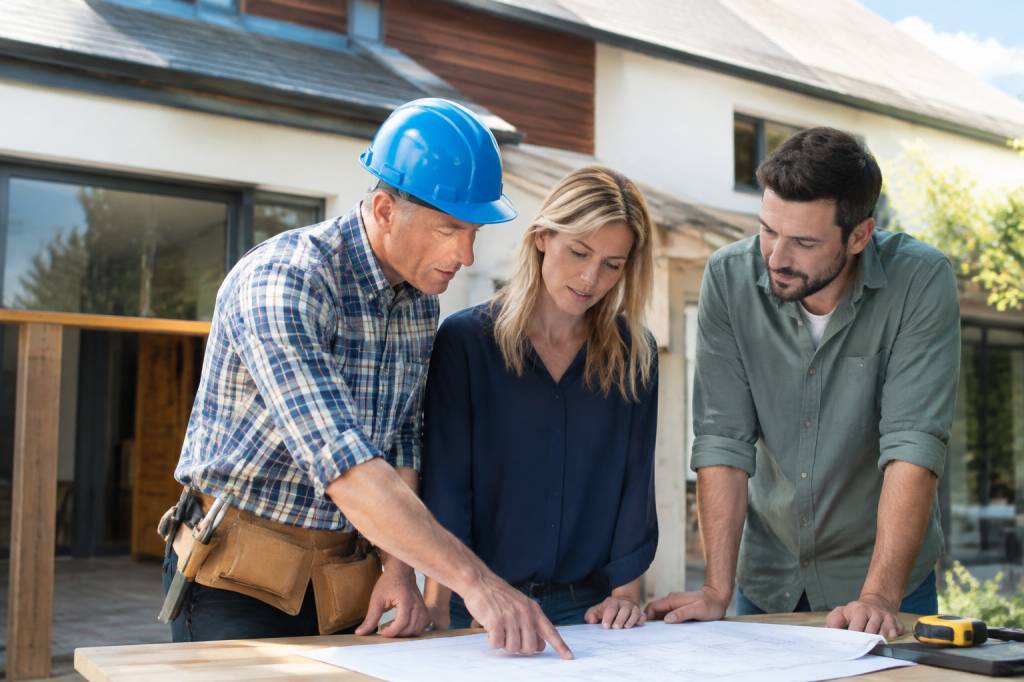
Adding extra space to your home is exciting. Whether you are planning a larger kitchen, a garden room, a loft conversion or a full rear extension, the right contractor can turn a rough idea into a comfortable, lasting part of your home. The wrong one, however, can bring delays, unexpected costs and enough paperwork to make you question your life choices.
Choosing the best home addition contractor is not simply a matter of finding the cheapest quote. It is about finding a reliable professional who understands your goals, communicates clearly and has the practical experience to deliver the work properly. Here is how to approach the process with confidence.
Start by defining your project
Before contacting contractors, spend time working out what you actually want to build. You do not need a complete architectural package at this stage, but a clear brief will make every later decision easier.
Think about the purpose of the addition. Are you creating a brighter kitchen-diner, an extra bedroom, a home office or a self-contained living area? Consider how the new space will connect to the existing house and how it will affect your garden, parking, storage and daily routines.
Write down the basics, including:
- The type of addition you are considering
- The approximate size and layout
- Your preferred materials and finishes
- Your ideal start and completion dates
- Your overall budget, including a contingency
- Any must-have features, such as roof lights, bi-fold doors or underfloor heating
A written brief prevents the project from becoming vague. It also allows contractors to prepare more accurate proposals. If you tell three builders that you want “a nice extension”, you may receive three very different interpretations of the word “nice”.
Decide whether you need an architect or designer
Some smaller projects can be handled by a contractor using straightforward drawings. Larger or more complex additions usually benefit from an architect, architectural technologist or independent building designer.
A professional designer can help with the layout, planning requirements, structural details, insulation, ventilation and the way the new space meets the old building. They can also help you avoid an expensive mistake, such as placing a staircase where a structural beam needs to go or choosing doors that leave no practical wall space for furniture.
In the UK, you may need planning permission or approval under permitted development rules, along with Building Regulations approval. These are separate matters. Planning focuses largely on the appearance, size and impact of the project, while Building Regulations deal with safety, structure, energy efficiency and workmanship.
Your contractor may offer to manage these applications, but make sure you understand exactly what is included. A friendly promise over the phone is not the same as a written responsibility in the contract.
Look for relevant experience
Home additions are not all alike. A contractor who mainly builds new-build houses may not have the same experience as someone who regularly works on occupied properties and connects new construction to older buildings.
Look for contractors who have completed projects similar to yours. Ask whether they have built:
- Rear, side or wraparound extensions
- Loft conversions or over-structure additions
- Kitchen extensions involving steelwork
- Garden rooms or annexes
- Projects in period, listed or unusual properties
- Extensions requiring drainage alterations or underpinning
Relevant experience matters because existing homes often contain surprises. Walls may not be perfectly straight, old drainage runs may not appear on modern plans and previous alterations may have been carried out without much regard for future work. An experienced contractor knows how to investigate these issues before they become serious problems.
Ask for recommendations, but verify them
Personal recommendations are often a useful starting point. Speak to neighbours, friends, colleagues and local tradespeople who have recently completed similar work. A recommendation from someone who lived through the project is particularly valuable.
Ask practical questions rather than simply, “Were they good?” Find out:
- Was the project completed within the agreed budget?
- How well did the contractor communicate?
- Were the workers respectful of the property?
- How were changes and unexpected issues handled?
- Was the final quality satisfactory?
- Would the client hire the contractor again?
Online reviews can also help, but read them carefully. A pattern of complaints about missed deadlines, poor communication or unexplained additional costs should not be ignored. At the same time, one negative review does not automatically make a contractor unsuitable. What matters is the wider picture and how professionally the business responds.
Check qualifications, insurance and registrations
A trustworthy contractor should be willing to provide evidence of appropriate insurance and professional details. At a minimum, ask about public liability insurance and employers’ liability insurance if the company employs workers.
Depending on the work involved, it may also be useful to check membership of recognised trade organisations or competent person schemes. These do not replace your own judgement, but they can provide additional reassurance that the business takes standards and compliance seriously.
Ask for:
- The company’s full trading name and registered address
- Proof of relevant insurance
- Trade qualifications where applicable
- Details of previous projects
- References from recent clients
- Information about subcontractors and specialist trades
Be cautious if a contractor becomes evasive when asked for basic documentation. Professional builders understand that clients need to carry out sensible checks before committing a significant amount of money.
Meet at least three contractors
It is tempting to accept the first contractor who seems enthusiastic, especially when you are eager to see the project begin. Try to resist that temptation. Speak to at least three suitable contractors and invite them to visit the property.
A site visit allows the contractor to understand access, ground conditions, existing construction and the practical challenges of the work. It also gives you a chance to observe how they approach the project.
Do they ask thoughtful questions? Do they notice potential issues with drainage, neighbouring boundaries or structural support? Do they arrive prepared? A contractor who rushes around the property and produces a suspiciously confident price without examining the details may be guessing rather than estimating.
Pay attention to communication during the early stages. If messages are ignored now, communication is unlikely to improve once the builders are on site and decisions are needed quickly.
Compare quotes properly
When the quotes arrive, do not compare only the final figures. A low price may simply mean that important items have been left out.
A useful quote should describe the work in reasonable detail, including labour, materials, fixtures, finishes and waste removal. It should also state whether items such as planning fees, structural engineering, building control charges, scaffolding and temporary protection are included.
Look for terms such as “provisional sum” and “prime cost item”. These are allowances rather than fixed prices. They are common in building work, but too many allowances can make the final cost difficult to predict.
For example, a quote might include an allowance of £1,000 for sanitaryware. That may be sufficient for a modest bathroom, but it will not cover a premium suite and designer taps. Ask how allowances have been calculated and what happens if your final choices cost more.
A good comparison checklist includes:
- Is the same scope of work included in each quote?
- Are VAT and professional fees clearly shown?
- Are foundations and drainage included?
- Does the price include insulation and internal finishes?
- Are windows and doors described by specification?
- Is decorating included?
- How are variations priced and approved?
The cheapest quote can be the most expensive option if it creates a long list of additions later. Look for value, clarity and realistic pricing rather than a figure that seems almost too good to be true.
Discuss the contract before work begins
Never rely on a verbal agreement for a major home addition. A written contract protects both you and the contractor by setting out what has been agreed.
The contract should cover the scope of work, payment schedule, start date, estimated completion date, insurance, warranties, responsibilities and the procedure for changes. It should also explain what happens if the project is delayed by bad weather, late materials or unforeseen structural problems.
Payment arrangements deserve particular attention. Avoid paying the full amount upfront. A staged payment schedule linked to completed milestones is generally more sensible. For example, payments might be made after foundations, structural work, weatherproofing, first fix services and practical completion.
Each stage should be checked before payment is released. If the contractor asks for a large deposit, make sure the reason is clear and that the amount is reasonable for the materials or preparation required.
Ask who will manage the site
The person who visits your home to prepare the quote may not be the person supervising the work. Find out who will be your main contact once construction starts.
Ask whether the contractor will be on site every day, whether a site manager will be present and which parts of the work will be completed by subcontractors. Specialist trades such as electricians, plumbers, roofers and plasterers are normal, but the main contractor should coordinate them properly.
You should also discuss site security, working hours, toilet facilities, parking, deliveries and protection for the rest of the house. If you are living at home during the build, these details can have a major effect on your comfort.
I once visited a renovation where the owners had carefully selected beautiful flooring but had not discussed how workers would move through the existing hallway. Within a week, the hallway had become a storage route for plasterboard, tools and muddy boots. Good planning includes the unglamorous details as well as the exciting finishes.
Check how changes will be handled
Even a well-planned project can change. You may discover that the existing wall needs additional support, decide to upgrade the windows or realise that the original lighting plan does not suit the furniture layout.
Changes are manageable when they are recorded and priced before the work proceeds. Agree that variations must be confirmed in writing, with the cost and effect on the schedule clearly explained.
Do not be embarrassed to ask questions. If a contractor says, “It will only be a little extra,” ask for the exact amount. Small additions can quickly become a sizeable sum when they involve materials, labour and related changes elsewhere in the build.
Look beyond the finished photographs
Beautiful project photographs are useful, but they do not tell the whole story. Ask to visit one or two completed projects, with the owners’ permission. This allows you to inspect the quality of the work in person.
Look closely at junctions between old and new construction, brickwork, rooflines, window reveals, tiling and joinery. These details often reveal more than a wide-angle photograph.
Ask previous clients how the contractor dealt with defects after completion. Every building project may have a minor snag or two. The important question is whether the contractor returned promptly and put things right without an argument.
Trust your judgement
Experience and paperwork are important, but your instincts also matter. You are inviting this person and their team into your home for several weeks or months. You need to feel comfortable asking questions and raising concerns.
Choose a contractor who listens, explains technical matters clearly and is honest about risks. A professional who points out a potential problem before winning the job may be more valuable than one who promises that everything will be easy.
The best working relationships are built on realistic expectations. Agree what success looks like, keep decisions organised and maintain a respectful line of communication. Your contractor brings construction knowledge; you bring knowledge of how your household uses the space. Both are essential.
Make the final choice with confidence
The right home addition contractor will offer more than a competitive price. They will provide relevant experience, transparent costs, sensible planning and dependable communication. They will also understand that an extension is not just a structure made from bricks, timber and insulation. It is part of your home and your everyday life.
Take time to compare contractors carefully, check the details and ask the awkward questions before signing anything. A little patience at the beginning can save weeks of frustration later. Once the right professional is in place, you can focus on the enjoyable part: watching your plans take shape and imagining the first quiet morning in your new space.