


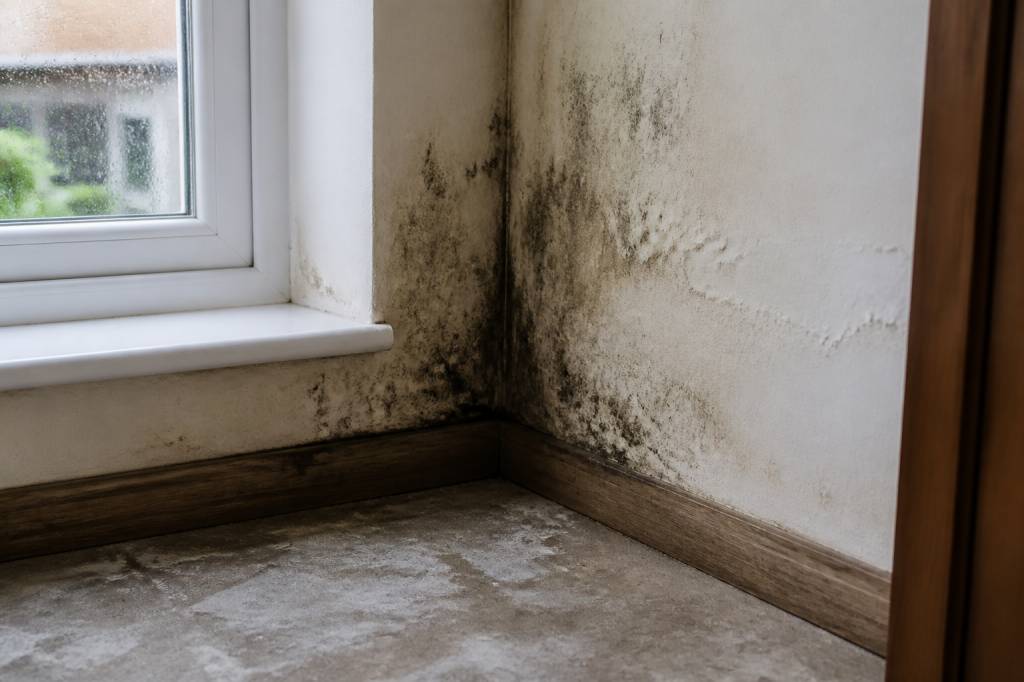
Damp is one of the most common and frustrating problems in UK homes. It can affect older properties and newer builds alike, appearing as mould growth, peeling paint, musty smells, staining on walls, or a cold, clammy feeling indoors. Left untreated, damp can damage plaster, timber, insulation, and decoration, while also creating unhealthy living conditions. Understanding how to identify the different types of damp, what causes them, and how to fix them properly is essential for homeowners, landlords, and buyers alike.
In the UK, damp issues are often linked to the climate, building age, ventilation habits, and maintenance standards. Heavy rainfall, high humidity, and cold winters create ideal conditions for moisture problems to develop. The good news is that most damp problems can be managed effectively once the source is identified. In many cases, practical repairs, improved ventilation, and regular maintenance can make a major difference.
What damp looks like in a UK home
The first step in dealing with damp is recognising the signs early. Damp does not always appear as obvious wet patches. It may begin subtly and worsen over time. Common warning signs include:
- Dark patches or staining on walls and ceilings
- Peeling wallpaper or bubbling paint
- Black mould around windows, corners, or skirting boards
- A persistent musty smell
- Cold, damp-feeling walls
- Rotting or crumbling timber
- White powdery deposits on brickwork or masonry, known as efflorescence
- Condensation on windows and cold surfaces
These symptoms can indicate one or more types of damp, including condensation, penetrating damp, or rising damp. Each has different causes and requires a different solution.
Condensation damp: the most common problem
Condensation is the most frequent damp issue in UK homes. It occurs when warm, moisture-laden air meets a cold surface such as a window, external wall, or uninsulated ceiling. The air cools, releases water droplets, and creates damp conditions that encourage mould growth.
Bathrooms, kitchens, bedrooms, and utility rooms are especially vulnerable because they generate more moisture. Everyday activities such as cooking, showering, drying clothes indoors, and even breathing contribute to humidity levels. In homes with poor ventilation or insufficient heating, condensation can quickly become a recurring issue.
Signs of condensation damp include water droplets on windows, mould behind furniture, black spots on silicone seals, and damp patches that appear in colder months. Unlike leaks or rising damp, condensation is usually seasonal and can often be improved with changes to ventilation and heating.
To reduce condensation damp, it helps to:
- Use extractor fans in kitchens and bathrooms
- Open windows regularly to improve air circulation
- Avoid drying clothes indoors where possible
- Keep rooms at a steady temperature
- Move furniture slightly away from external walls
- Wipe down windows and surfaces where moisture collects
- Consider installing a dehumidifier in problem rooms
Improving ventilation is especially important in airtight modern homes and refurbished properties where moisture can build up quickly. In some cases, trickle vents, mechanical ventilation systems, or positive input ventilation may be worth considering.
Penetrating damp and external water ingress
Penetrating damp happens when water enters a building from the outside through defects in the structure. This can affect any part of the property, including roofs, walls, windows, doors, gutters, and brickwork. It is often caused by leaks or building faults rather than indoor moisture levels.
Common causes of penetrating damp include cracked render, damaged roof tiles, blocked gutters, broken downpipes, porous brickwork, faulty pointing, and poorly sealed window frames. In exposed UK locations, driving rain can exploit even small defects in the building envelope.
Unlike condensation, penetrating damp often creates localised wet patches that worsen after rainfall. The damp area may be near an external wall, chimney breast, ceiling, or around a window opening. Stains may be irregular and can darken after wet weather.
Fixing penetrating damp usually involves identifying the external source and repairing it directly. That may include:
- Replacing slipped or broken roof tiles
- Clearing and repairing gutters and downpipes
- Repointing deteriorated mortar joints
- Sealing cracks in render or masonry
- Repairing window and door seals
- Improving flashing around chimneys and roof junctions
- Checking for plumbing leaks in upper floors
Once the source is repaired, internal walls may still need time to dry out. Decorative finishes should only be replaced after the wall moisture has reduced, otherwise the problem can quickly return.
Rising damp and the importance of the damp proof course
Rising damp is often discussed in relation to older properties in the UK, especially those built before modern damp proofing standards were introduced. It occurs when moisture from the ground moves up through porous masonry by capillary action. A damp proof course, or DPC, is intended to block this movement. If the DPC is missing, bridged, or damaged, rising damp may occur.
True rising damp is less common than many people think, and it is frequently misdiagnosed. Its symptoms usually include tidemarks on lower walls, damaged skirting boards, crumbling plaster, salt deposits, and dampness concentrated at the base of walls rather than higher up. It often affects ground-floor rooms, especially in older homes with solid walls.
Before assuming rising damp, it is important to rule out other sources such as leaking pipes, condensation, or external ground levels that are too high. In many cases, the problem is not the absence of a DPC but a bridged or compromised one. For example, external paving, render, or soil that sits above the DPC level can allow moisture to bypass it.
Possible solutions include:
- Lowering external ground levels where they bridge the DPC
- Repairing or replacing defective damp proof membranes
- Removing internal plaster contaminated by salts
- Installing a new chemical damp proof course if appropriate
- Improving drainage around the property
Because rising damp can be difficult to diagnose accurately, a professional survey from a qualified damp specialist or building surveyor is often advisable. Correct diagnosis is essential, as unnecessary treatments can be costly and ineffective.
How to identify the type of damp correctly
Although the symptoms can look similar, the pattern of damage usually gives clues about the type of damp present. A systematic inspection can help narrow down the cause.
Look at where the damp appears, how often it appears, and whether it changes with weather conditions. If moisture shows up mainly in winter on windows and cold walls, condensation is likely. If the problem worsens after heavy rain, penetrating damp is more probable. If the damage is concentrated at the bottom of walls on the ground floor, rising damp or bridging of the DPC should be considered.
Other useful checks include:
- Inspecting gutters, downpipes, and roof coverings for leaks
- Looking for mould in poorly ventilated rooms
- Checking whether furniture is pressed against cold external walls
- Seeing if the damp patch feels colder or wetter after rainfall
- Reviewing whether plumbing or heating pipes may be leaking
A moisture meter can help detect elevated moisture levels, but readings should be interpreted with caution. Surface moisture, salts, and material type can all influence the result. For a more reliable assessment, a full property inspection is often more useful than relying on a single tool.
Practical damp solutions for UK homeowners
Effective damp treatment depends on tackling the cause rather than covering up the symptoms. Simply repainting a damp wall or using mould wash may offer short-term improvement, but the issue usually returns if the underlying moisture source remains.
For condensation, the priority is to reduce indoor humidity and increase ventilation. For penetrating damp, the building fabric must be repaired and protected from rainwater ingress. For rising damp, the DPC and surrounding ground levels need to be assessed and corrected where necessary.
In many cases, a combined approach works best. For example, a home may have both condensation in bedrooms and penetrating damp around a bay window. Treating one issue will not resolve the other. A full inspection of the building, inside and out, is often the most efficient way to plan repairs.
Some commonly used damp repair measures include:
- Repairing leaks and improving drainage
- Installing or upgrading extractor fans
- Using breathable paints and plasters on affected walls
- Improving loft, wall, or floor insulation
- Repointing and sealing external masonry
- Replacing damaged timber affected by rot
- Using dehumidifiers as part of moisture control
Breathable materials are particularly important in older UK homes with solid walls, where trapped moisture can cause further damage. Non-breathable paints and sealants may lock moisture into the wall and worsen the issue over time.
Preventing damp from returning
Once damp has been treated, prevention becomes the key to protecting the home long term. Regular maintenance and sensible moisture management can significantly reduce the chance of recurrence.
Simple prevention habits include keeping gutters clear, checking roof tiles after storms, ventilating bathrooms and kitchens, and avoiding blocked air bricks or vents. It also helps to heat the home consistently in colder months rather than allowing rooms to become excessively cold.
Homeowners should also be aware of the impact of lifestyle choices. Drying wet clothes indoors without ventilation, overfilling wardrobes against external walls, and keeping windows shut for long periods can all contribute to condensation damp. Small changes can make a noticeable difference to indoor air quality and moisture control.
For buyers looking at a property, damp should be treated as an important inspection point. A pleasant-looking room can still conceal hidden moisture damage behind wallpaper, under flooring, or inside roof spaces. Asking about previous damp surveys, repairs, and maintenance history is a sensible step before purchase.
When to call a professional
Not every damp problem requires major work, but persistent or widespread damp should be assessed professionally. If the source is unclear, if there is visible structural damage, or if mould keeps returning despite ventilation improvements, expert advice is worthwhile.
A qualified surveyor, damp specialist, or building professional can help identify whether the issue is condensation, penetrating damp, or rising damp. They can also advise on appropriate repair methods and avoid unnecessary treatments that may not solve the real problem.
Professional help is especially important when damp has affected structural timber, electrical systems, insulation, or internal plaster. The longer these issues are left unresolved, the greater the risk of decay, health concerns, and higher repair costs.
By learning to recognise the warning signs early and understanding the most common damp problems in UK homes, it becomes much easier to protect the property and maintain a healthier indoor environment. With the right diagnosis, targeted repairs, and ongoing prevention, damp can be controlled rather than repeatedly returning.