


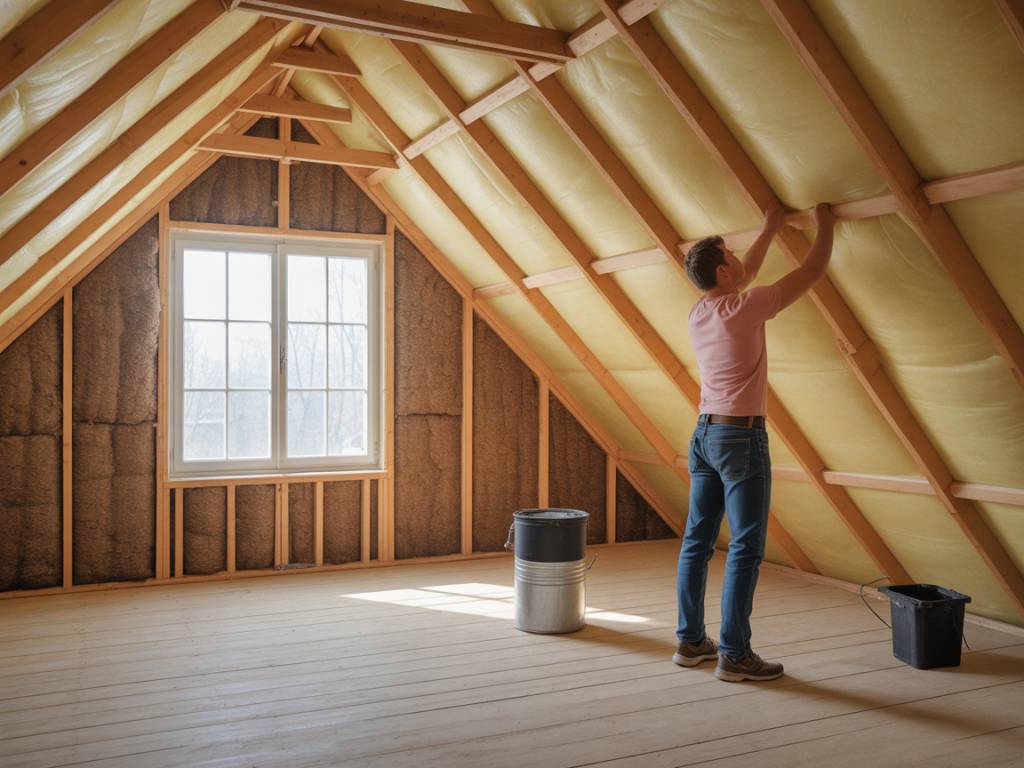
Proper home insulation is one of the most effective ways to cut energy costs, reduce heat loss, and create a more comfortable indoor environment throughout the year. Whether you live in a detached house, a townhouse, or an older property that feels difficult to keep warm in winter and cool in summer, improving insulation can make a measurable difference. A well-insulated home requires less heating in cold months and less cooling during hot weather, helping lower energy bills while supporting a more stable indoor temperature.
Insulation works by slowing the transfer of heat between the inside and outside of a building. In practical terms, this means warm air stays inside during winter and outdoor heat is kept out during summer. The result is better energy efficiency, reduced strain on HVAC systems, fewer drafts, and a more consistent level of comfort from room to room. For homeowners interested in long-term savings, home energy efficiency upgrades such as loft insulation, wall insulation, floor insulation, and window upgrades often deliver some of the highest returns.
Why Home Insulation Matters
A house with poor insulation can lose a significant amount of heat through the roof, walls, floors, windows, and doors. Even if your heating system is powerful, it cannot perform efficiently if warmth escapes too quickly. This leads to higher utility bills, uneven temperatures, and a greater reliance on thermostats and portable heaters. Over time, insufficient insulation can also contribute to condensation problems, damp patches, and discomfort in rooms that are exposed to cold air or direct sunlight.
Good insulation supports energy efficiency in several ways:
For many households, the first noticeable benefit is lower energy consumption. But the comfort improvement is just as important. When insulation is properly installed, rooms feel less drafty, floors are warmer, and temperature fluctuations become less dramatic. This is especially noticeable in older homes that were built before modern insulation standards became common.
Start with an Energy Assessment
Before investing in insulation materials or renovation work, it is helpful to understand where your home is losing energy. A professional energy audit or home energy assessment can identify weak points such as an uninsulated loft, thin cavity walls, poorly sealed windows, or cold floors above unheated spaces. This evaluation often includes thermal imaging, blower door testing, and a review of current insulation levels.
An assessment is useful because it helps you prioritize the most effective upgrades. In many homes, the roof or attic is the biggest source of heat loss, making loft insulation a top priority. In others, draughty windows, uninsulated basement ceilings, or solid walls may be the main issue. By targeting the right areas first, homeowners can improve thermal performance without overspending on unnecessary work.
Insulate the Loft or Attic First
Loft insulation is one of the most cost-effective ways to improve home insulation. Since heat rises, a poorly insulated attic allows warm air to escape quickly through the roof. Adding or topping up insulation in this area can significantly reduce heating bills and increase comfort in rooms below.
Common insulation materials for attics include mineral wool, fiberglass batts, and blown-in cellulose. These products are designed to create a thermal barrier that limits heat flow. The ideal thickness depends on local building regulations and climate conditions, but in many cases, homes benefit from a substantial layer of insulation laid between and over ceiling joists.
When insulating an attic, it is important to leave ventilation pathways clear. Proper attic ventilation helps control moisture and prevents condensation buildup, which can damage timber and reduce insulation performance. Access hatches should also be insulated and draught-proofed to avoid thermal bridging and air leakage.
Upgrade Wall Insulation for Better Thermal Performance
Walls account for a large proportion of heat loss in many properties, especially older homes. The right wall insulation system depends on the type of construction. Houses with cavity walls may be suitable for cavity wall insulation, while homes with solid walls may need internal wall insulation or external wall insulation.
Cavity wall insulation involves filling the gap between the inner and outer walls with insulating material such as mineral wool beads, foam, or blown fibre. It is often a relatively quick upgrade and can be highly effective if the cavity is suitable and free from moisture issues.
Solid wall insulation requires more planning and usually costs more, but it can deliver major improvements in energy efficiency. Internal wall insulation is fitted on the inside of external walls, while external wall insulation is added to the outside surface and then finished with render or cladding. Each option has different benefits, including changes to room size, exterior appearance, and installation complexity.
Because wall insulation can have a major impact on building performance, it is important to choose the right material and installation method. A specialist can help determine the best solution based on wall type, moisture risk, and budget.
Don’t Overlook Floor Insulation
Floor insulation is often forgotten, yet it can make a substantial difference in older homes, especially where floors are suspended above ventilated crawl spaces or unheated basements. Uninsulated floors can feel cold underfoot and allow heat to escape downward. This can make living areas less comfortable and increase heating demand.
Suspended timber floors can often be insulated from beneath using flexible insulation boards, mineral wool, or other suitable materials fitted between joists. In homes with concrete slab floors, insulating from above during a renovation may be possible, although it usually involves more disruption. Adding underfloor insulation is particularly valuable in rooms that are used frequently, such as living rooms, kitchens, and bedrooms.
At the same time, draught-proofing gaps around floorboards, skirting boards, and service penetrations can improve the overall effect. Even a small amount of uncontrolled airflow can reduce the benefit of insulation.
Improve Windows, Doors, and Draught Sealing
Windows and doors are not insulation in the same way as loft or wall materials, but they play a major role in home comfort and energy savings. Poorly sealed frames, single glazing, and worn weatherstripping can allow cold air in and warm air out. This creates draughts, condensation, and temperature imbalance.
If full replacement is not possible immediately, there are several ways to improve thermal efficiency:
These smaller improvements may not replace full insulation upgrades, but they can work together to reduce energy waste. In colder climates, the combination of high-performance glazing and good air sealing can have a noticeable effect on winter comfort.
Seal Air Leaks Before Adding More Insulation
Air sealing is an essential part of any insulation project. If your home has leaks around pipes, loft hatches, electrical outlets, chimneys, or recessed lighting, conditioned air can escape and outside air can enter. This reduces the performance of insulation and can make rooms feel colder than expected.
Common air sealing materials include caulk, sealant tape, spray foam, and gaskets. The right product depends on the size and location of the gap. It is often best to seal leaks before installing new insulation so the insulated space performs as intended. In fact, homeowners looking for the best home insulation results should think of air sealing and insulation as a package rather than separate tasks.
Airtightness should be improved carefully, however, because some areas of the house need controlled ventilation. Kitchens, bathrooms, and utility rooms should still have adequate extraction to remove moisture and maintain healthy indoor air quality.
Choose the Right Insulation Materials
There is no single best insulation material for every home. The right choice depends on the part of the building being insulated, the available space, moisture conditions, and budget. Common insulation materials include fiberglass, mineral wool, cellulose, rigid foam boards, spray foam, and natural options such as sheep’s wool or wood fibre.
When comparing insulation products, consider:
For example, rigid foam boards are often used where space is limited and high insulating performance is needed. Mineral wool is valued for its fire resistance and sound insulation. Cellulose is a popular blown-in option for attics because it can fill irregular gaps effectively. A well-chosen material improves both energy performance and long-term durability.
Work with the Climate and the House Design
The most effective insulation strategy depends on local weather conditions and the way the home is built. In colder regions, higher insulation levels are usually required to maintain comfort and reduce winter heating costs. In warmer climates, insulation still matters because it helps slow heat gain and keeps interiors cooler during the day.
House design also affects performance. Homes with large roof areas, exposed corners, or older construction details may need more attention in certain areas. A property with a finished loft conversion, for instance, may require roof insulation rather than standard attic insulation. Similarly, period homes may need breathable materials that manage moisture differently from modern timber-frame buildings.
This is why a tailored approach is often more effective than a one-size-fits-all solution. Insulation should work alongside ventilation, heating controls, and building fabric improvements to create balanced performance.
Think About Cost, Payback, and Long-Term Value
Although insulation requires an upfront investment, it is usually considered one of the most practical home improvement projects for long-term savings. Lower heating and cooling bills can help offset installation costs over time. In many cases, the payback period is attractive, especially for loft insulation, draught proofing, and cavity wall insulation.
There is also added value beyond monthly energy savings. A better-insulated home is often more comfortable to live in, easier to heat evenly, and more appealing to future buyers. Energy-efficient features can support property value and may make a home more competitive in the housing market.
For homeowners comparing home insulation costs, it is worth looking beyond the price of materials alone. Installation quality, thermal performance, moisture management, and compatibility with the existing structure all affect the final result.
Maintain Insulation Performance Over Time
Once insulation has been installed, it should be checked periodically to ensure it remains effective. Water leaks, pest damage, compression, and renovation work can reduce performance. In lofts and walls, insulation may settle or become disturbed over time, creating gaps that let heat escape.
Routine maintenance can include:
By protecting insulation from moisture and damage, homeowners can preserve its effectiveness for many years. This makes the initial investment more worthwhile and helps maintain a stable, comfortable indoor environment.
Creating a More Efficient and Comfortable Home
Proper home insulation is one of the most reliable ways to improve energy efficiency, reduce utility bills, and make a house more comfortable in every season. From loft insulation and wall insulation to floor upgrades, air sealing, and draught-proofing, each improvement contributes to better thermal performance. The best results come from a holistic approach that considers the whole building rather than focusing on a single area.
For homeowners planning energy-saving renovations, insulation should be near the top of the list. It supports lower running costs, improves indoor comfort, and helps prepare a property for changing weather conditions. Whether you are upgrading an older home or refining a newer one, the right insulation strategy can make daily life noticeably more pleasant while delivering long-term value.