


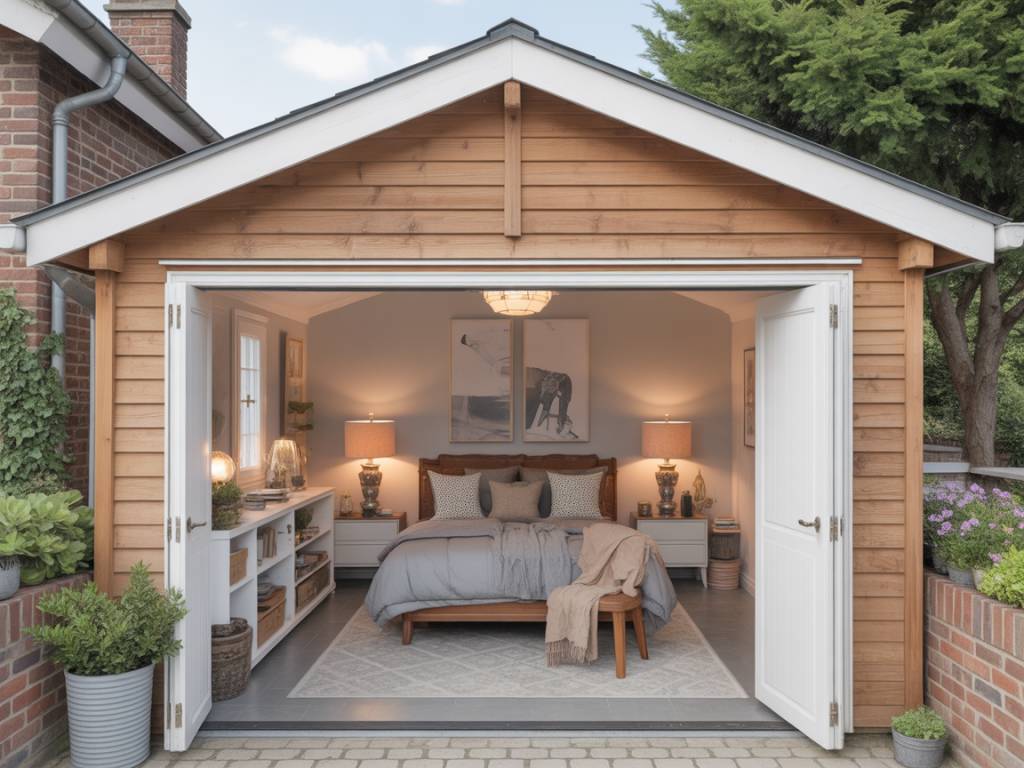
Why Convert Your Garage into a Living Space?
A garage conversion is one of the most effective ways to add usable square footage to your home without extending its footprint. Whether you are planning a home office, guest suite, playroom, or rental studio, turning an underused garage into a functional living area can significantly increase both comfort and property value.
Unlike a full extension, converting a garage often uses an existing structure, which can make it faster and more cost-effective. It is also a popular solution in urban areas where outdoor space is limited and planning constraints make building outwards more complex. However, a successful garage conversion requires careful planning, from structural considerations and building regulations to layout, insulation and services.
Assessing Your Existing Garage
Before you start drawing floor plans or choosing finishes, begin with a realistic assessment of your current garage. This step will shape your budget and determine what kind of conversion is feasible.
- Type of garage: Attached, integrated (built into the main structure), or detached. Attached and integrated garages are usually easier to connect to existing utilities and heating systems.
- Construction quality: Check the condition of walls, roof, floor slab and foundations. Look for damp, cracks, or structural movement. Older garages may need significant upgrades to meet current building standards.
- Head height: Measure from floor to ceiling. Low ceilings can limit how you insulate the floor and roof, and may affect compliance with building regulations in some regions.
- Access points: Identify existing doors, windows, and the main garage door opening. Think about how people will enter the new room from the house and from outside.
- Services: Check the proximity of electricity, water, drainage, and heating. Bringing in new services over long distances can raise the overall cost.
At this stage, it can be worth inviting a builder or architect to provide a preliminary opinion on feasibility and likely structural upgrades.
Planning Permission, Zoning and Building Regulations
Garage conversion rules vary significantly between countries, regions and municipalities. Before committing to any design, clarify the legal and administrative framework that applies to your property.
Key points to investigate include:
- Planning permission or zoning approval: In many cases, converting an attached garage into a habitable room is considered a “change of use” and may or may not need formal planning permission. Restrictions are more likely in conservation areas, on listed buildings, or where off-street parking must be retained by law.
- Parking requirements: Some local authorities require a minimum number of off-street parking spaces. Removing your garage may only be allowed if you can provide alternative parking (e.g., driveway or carport).
- Building regulations / building code: Regardless of planning, the new space must comply with current building standards for structural safety, fire safety, insulation (thermal performance), ventilation, electrics, and in some cases sound insulation.
- Permits for plumbing or electrical work: In many jurisdictions, work on drainage, gas and electrics must be carried out or at least certified by licensed professionals.
Taking early advice from an architect, building surveyor, or planning consultant can prevent costly redesigns later in the process. Many homeowners also speak to their insurance company to ensure that coverage extends to the new living area.
Defining the Purpose of Your New Space
The way you intend to use the converted garage will influence every design decision, from layout to lighting. Common uses include:
- Home office or studio for remote working
- Guest bedroom or self-contained guest suite
- Playroom, media room, or family room
- Home gym or hobby workshop
- Rental unit or annex for a family member (where permitted)
For a home office, you might prioritize natural light, acoustic insulation, and built-in storage. A guest suite or rental unit will require a bathroom, sleeping area, and possibly a small kitchenette, which adds complexity in terms of plumbing and drainage. Identifying your primary function early will help you prioritise budget and technical requirements.
Design and Layout Considerations
Once the purpose is clear, you can develop a conversion plan that makes the best use of the existing footprint. Attached garages are typically long and narrow, which can be challenging but also offers opportunities for smart planning.
Consider the following layout aspects:
- Access from the main house: Ideally, the new living area should feel like a seamless extension of your home rather than a separate outbuilding. This often means creating or widening an internal doorway.
- Replacing the garage door: The large opening where the garage door sits can be infilled with a new wall featuring windows, a glazed door, or a combination of both. This is a prime location for natural light.
- Zoning the space: In a single open-plan room, use furniture placement, partial partitions, or floor finishes to define areas (for example, a seating zone versus a work zone).
- Storage: Many households rely on the garage for storage. Plan built-in cupboards, under-window storage benches, or a loft space to compensate.
- Flow and circulation: Think about movement through the room and how it connects to outdoor areas, especially if you intend to add French doors or sliding doors opening onto a garden or patio.
Insulation, Damp-Proofing and Comfort
One of the most important aspects of a garage conversion is achieving a comfortable, energy-efficient living environment. Garages are usually built to different standards than habitable rooms and can be prone to cold, draughts and moisture.
Typical upgrades include:
- Floor insulation: Many garages have a basic concrete slab. To bring this up to standard, you may need to install a damp-proof membrane (DPM), rigid insulation boards, and a new screed or floating floor. This will raise the floor level, which must be taken into account at doors and thresholds.
- Wall insulation: Solid brick or single-skin walls often require internal stud walls with insulation and plasterboard, or external insulation systems if permitted by planning rules. This improves both thermal performance and sound insulation.
- Roof or ceiling insulation: For flat roofs, upgrading insulation is usually essential. For pitched roofs, insulation can be placed between and under the rafters, with attention to ventilation to avoid condensation.
- Windows and doors: Fitting high-performance double or triple glazing will help maintain comfortable temperatures and reduce energy bills. Look for products that meet or exceed local U-value requirements.
Ventilation is equally important. Depending on the use of the room, you may need trickle vents in windows, mechanical extractors for bathrooms and kitchens, or even a mechanical ventilation with heat recovery (MVHR) system in highly insulated conversions.
Heating, Cooling, Plumbing and Electrics
Upgrading services can represent a significant portion of a garage conversion cost, but it is essential for safety and comfort.
- Heating: Options include extending your existing central heating system with additional radiators, installing underfloor heating, or using efficient electric panel heaters or heat pumps. Underfloor heating works well with new insulated floors and frees up wall space.
- Cooling: In warmer climates, consider provisions for air conditioning or a reversible heat pump system, especially if the garage faces full sun.
- Plumbing: If your design includes a bathroom, shower room, or kitchenette, the position of existing drainage pipes will influence layout. In some cases, a macerator or pumped system is required to dispose of wastewater.
- Electrical layout: Plan sockets, lighting points, data ports, and any special circuits (for example, for gym equipment or a home cinema). Consider layering lighting: general ceiling lighting, task lighting for desks or kitchen areas, and ambient lighting for relaxation.
- Internet and smart home: For a home office or media room, a strong, stable internet connection is vital. Hard-wired ethernet can be more reliable than Wi-Fi for this purpose.
All electrical and plumbing work should comply with local building codes and be carried out or certified by qualified professionals.
Choosing Materials and Finishes
The finishing touches will determine how successfully the converted garage blends with the rest of your home. When selecting materials and decor, keep both aesthetics and durability in mind.
- Flooring: Engineered wood, vinyl planks, laminate, or tiles are common choices for converted garages. Pay attention to underlays and acoustic performance, especially if the room will be used as a bedroom or media room.
- Walls and ceilings: Standard plasterboard with a smooth painted finish helps the new space feel like a natural part of the house. In some designs, exposed brick or timber details are retained for character.
- Lighting design: Recessed downlights, wall lights, and pendant lights can be combined to create a flexible scheme that adapts to work, relaxation, or entertaining.
- Built-in furniture: Custom shelving, desks or wardrobes can maximise storage in awkward corners, especially in narrow or low-ceilinged garages.
If you intend to sell in the future, aim for a neutral, timeless look that will appeal to a broad audience while still supporting the primary function of the room.
Budgeting and Working with Professionals
Garage conversion costs vary widely depending on size, condition, and specification. Insulation upgrades, structural changes, and adding a bathroom or kitchen tend to be the largest cost drivers. When planning your budget, include:
- Design and professional fees (architect, structural engineer, planning consultant)
- Planning and permit costs
- Structural work (foundations, walls, roof reinforcement if required)
- Insulation, windows, and doors
- Plumbing, electrics, and heating systems
- Internal finishes (floors, plaster, paint, fixtures, and fittings)
- Furniture and storage solutions
Obtaining multiple quotes from reputable contractors is essential. Look for builders with proven experience in garage conversions and ask for references or case studies. A clear written contract, detailed specification, and agreed timeline will help keep the project under control.
Maximising Value and Long-Term Flexibility
Finally, consider how your new living space will serve you over time. A well-planned garage conversion can adapt to changing needs: a nursery that becomes a study, a playroom that turns into a guest bedroom, or a hobby room that evolves into a small studio.
To maximise value:
- Choose a layout that allows for multiple possible uses.
- Ensure good levels of insulation and energy efficiency to keep running costs low.
- Maintain a logical connection to the rest of the house so the room feels integral, not secondary.
- Keep documentation of all permissions, warranties, and compliance certificates for future buyers.
With thoughtful planning, attention to regulations, and the right combination of technical upgrades and design choices, a garage conversion can transform underused floor space into a comfortable, functional living area that enhances both daily life and long-term property value.