
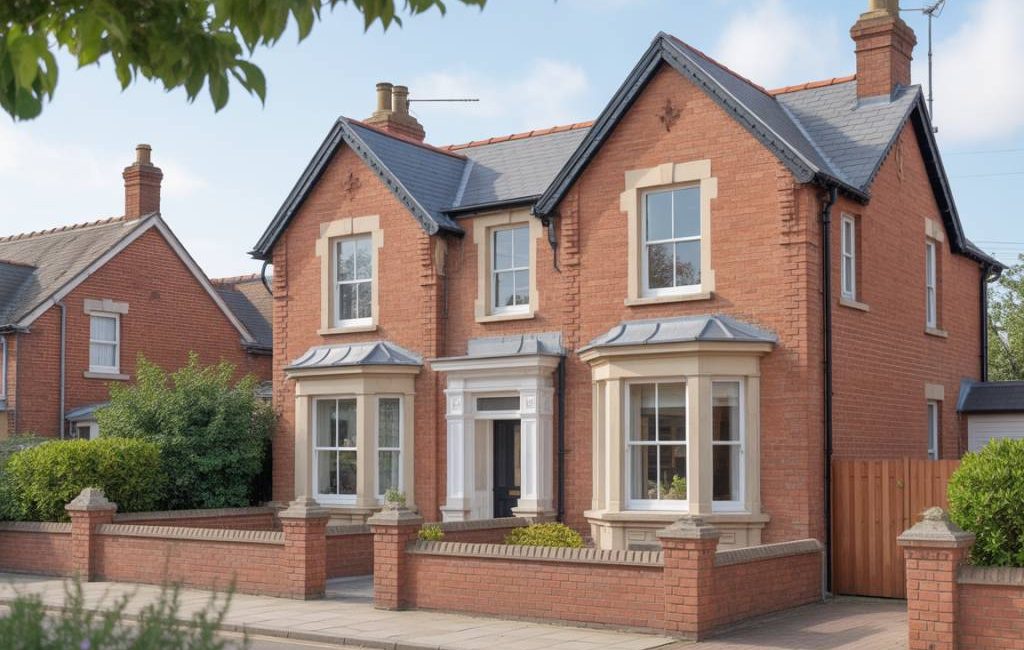
Understanding Planning Permission for UK Home Projects
Planning permission is often the first major hurdle for UK homeowners planning a renovation, loft conversion, or house extension. Knowing when you need permission, how to apply, and what planners look for can save you time, money, and stress. This guide explains the essentials of planning permission for UK home renovation and extension projects, with a focus on practical steps and common pitfalls.
In the UK, planning permission is overseen by local planning authorities (LPAs), usually your local council. Their role is to ensure that building work is appropriate for the area, does not harm neighbours, and complies with national and local planning policies. While some work falls under permitted development rights and does not require full planning permission, many larger or more complex projects do.
Planning Permission vs Building Regulations
One of the most frequent sources of confusion is the difference between planning permission and building regulations. These are two separate systems, and you may need approval under one, both, or neither, depending on your project.
Planning permission focuses on:
- The external appearance of the property
- The impact on neighbours and the local area
- Land use and overall development of the neighbourhood
- Height, size, and location of extensions or new buildings
Building regulations approval focuses on:
- Structural safety and stability
- Fire safety and means of escape
- Insulation and energy efficiency
- Ventilation, drainage, and damp proofing
- Accessibility and electrical safety
A typical UK home extension or loft conversion may not need planning permission if it falls within permitted development limits, but it will almost always need building regulations approval. Homeowners should plan for both from the start of any renovation project.
What Are Permitted Development Rights?
Permitted development rights (PDRs) allow certain types of work to be carried out without making a formal planning application. These rights apply to many houses in England, Wales, and Scotland, but they do not apply in all circumstances. Flats, maisonettes, and properties in certain areas often have more restrictions.
Common home improvement projects that may fall under permitted development include:
- Single-storey rear extensions within size limits
- Loft conversions with dormer windows, under a set volume increase
- Certain types of side extensions to houses
- Outbuildings such as sheds, home offices, or garden rooms
- Solar panels on roofs, subject to position and size
However, there are strict rules on height, depth, total volume, distance to boundaries, and the relationship to the existing house. For example, the maximum depth and height of a rear extension and the maximum size of a loft conversion are clearly defined in government guidance.
Because each property and location is different, homeowners are strongly advised to:
- Check the Planning Portal (for England and Wales) or the relevant devolved government site
- Review your local council’s specific guidelines
- Confirm whether any previous extensions have already used up your permitted development allowance
When Planning Permission Is Required
Full planning permission is usually required for more significant changes or where permitted development rights do not apply. You will normally need planning permission for:
- Two-storey rear extensions that exceed permitted development limits
- Large side extensions that increase the width of the house beyond set thresholds
- Extensions that are higher than the existing roof
- Balconies, verandas, or raised platforms
- Flats, maisonettes, and conversion of a house into flats
- New-build houses in the garden (infill developments)
- Significant changes to the front elevation, especially in conservation areas
You may also need planning permission if your property is:
- In a conservation area
- Within a national park, Area of Outstanding Natural Beauty (AONB), or World Heritage Site
- A listed building
- Subject to an Article 4 Direction that restricts permitted development rights
In these cases, even relatively minor alterations such as changing windows, roofs, or external materials can trigger the need for planning consent or listed building consent.
Key Factors Planners Consider
Local planning officers assess each application against national policy (such as the National Planning Policy Framework in England) and the council’s local development plan. For home renovation and extension projects, they typically focus on:
- Scale and massing: Does the extension look proportionate to the original house?
- Design and materials: Do they complement or respect the existing building and street?
- Impact on neighbours: Will there be overlooking, loss of light, or loss of privacy?
- Overdevelopment: Is the garden being overbuilt, leaving too little outdoor space?
- Access and parking: Will the project worsen traffic or reduce off-street parking unreasonably?
- Heritage and character: For older or protected areas, does the design preserve local character?
Understanding these criteria early allows you and your designer or architect to shape a proposal that stands a better chance of approval and avoids costly redesigns.
Applying for Planning Permission
Most UK planning applications are submitted online through the Planning Portal (for England and Wales) or the relevant system in Scotland and Northern Ireland. A typical householder planning application will require:
- Completed application forms
- Scaled existing and proposed drawings (plans, elevations, sections)
- A location plan and site plan
- Design and access statement (sometimes optional for smaller schemes)
- The correct application fee
Many homeowners choose to hire an architect, architectural technician, or experienced home extension designer to handle this stage. Accurate drawings and a well-argued design statement can make a noticeable difference to the outcome.
Once validated by the council, your application will be:
- Allocated to a planning officer
- Advertised to neighbours (usually via letter or site notice)
- Assessed against planning policies and local guidelines
Most householder applications are decided within eight weeks, though complex or contentious schemes can take longer.
Certificate of Lawfulness for Permitted Development
Even if your home renovation or extension qualifies as permitted development, it is often wise to seek a Lawful Development Certificate (LDC) from your local council. This is not the same as planning permission, but it is formal confirmation that your project is lawful and does not require it.
Benefits of a Lawful Development Certificate include:
- Proof to future buyers and solicitors that the work was legal
- Reduced risk of disputes with neighbours or the council
- Clarity for your builder and designer during construction
The application process is similar to a small planning application, but the council is assessing whether the proposal meets permitted development rules rather than judging its design quality.
Common Planning Pitfalls to Avoid
Homeowners frequently run into the same issues when renovating or extending without fully checking the planning rules. Problems to avoid include:
- Starting work without consent: Building first and seeking “retrospective permission” later is risky and can lead to enforcement action.
- Misunderstanding previous extensions: Existing additions to your property may already have used up your permitted development allowance.
- Ignoring boundaries: Extensions close to or on the boundary can cause planning and neighbour disputes.
- Overlooking heritage constraints: Listed buildings and conservation areas need specialist advice from an early stage.
- Relying on outdated advice: Planning law and guidance change regularly; what a neighbour did years ago may no longer be allowed.
Working With Professionals
While some straightforward projects can be managed by confident homeowners, many UK renovation and extension schemes benefit from professional support, especially where planning permission is required. You may want to work with:
- Architects or architectural designers for creative layout and to prepare drawings that satisfy planning officers.
- Planning consultants for more complex sites, heritage properties, or situations where refusal is likely.
- Structural engineers for load-bearing alterations, loft conversions, and large openings.
- Specialist builders experienced in local planning and building control expectations.
Investing in expert advice at the planning stage can protect your overall renovation budget and avoid delays on site.
Practical Steps Before You Start Building
To keep your UK home renovation or extension project on track and compliant, it helps to follow a clear sequence:
- Check whether your project falls under permitted development or needs planning permission.
- Review local council guidance and any conservation or heritage designations.
- Discuss your ideas with an architect or designer and refine the scope.
- Apply for planning permission or a Lawful Development Certificate where appropriate.
- Obtain building regulations approval, either via a Full Plans submission or Building Notice.
- Formalise agreements with neighbours if the Party Wall etc. Act 1996 applies.
- Choose reputable contractors familiar with local planning and building control processes.
Taking these steps systematically reduces the risk of enforcement notices, expensive alterations, or problems when you eventually come to sell your home.
Why Planning Permission Matters for Long-Term Value
Beyond legal compliance, navigating planning permission correctly can enhance the value and liveability of your property. Well-designed extensions and renovations that respect planning principles often:
- Improve natural light and circulation within the home
- Provide more usable space, such as open-plan kitchen-diners or extra bedrooms
- Boost energy performance through modern construction standards
- Strengthen kerb appeal and long-term resale prospects
Buyers and surveyors increasingly check that major works have proper planning and building regulations documentation. A carefully planned, fully approved home renovation project can therefore be a significant asset, not just a lifestyle upgrade.