


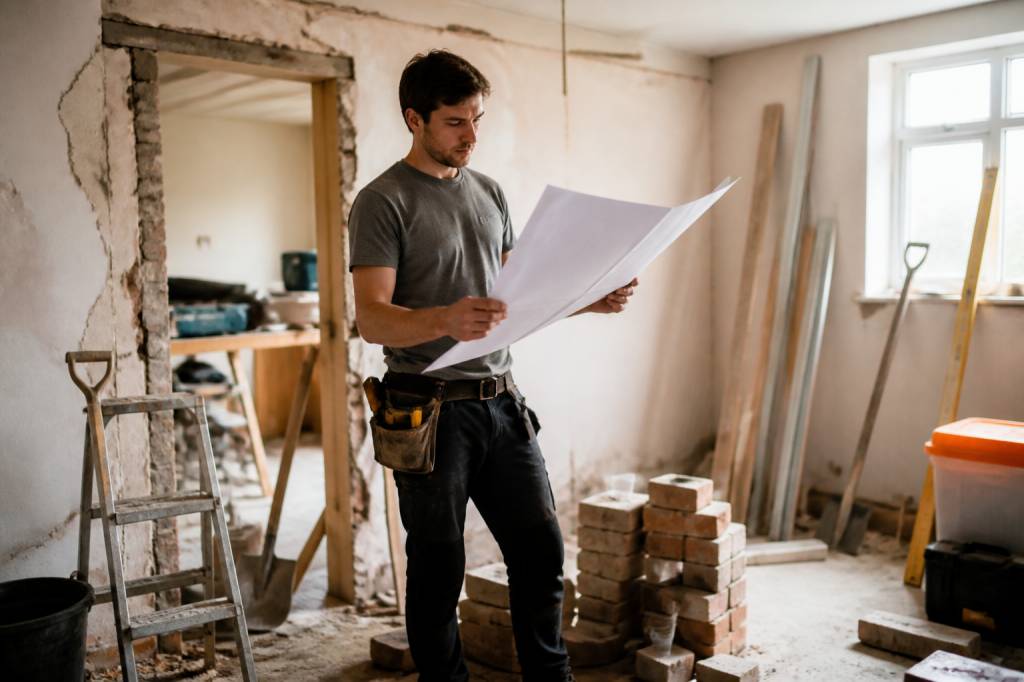
Taking on a home construction project is a bit like opening a wall and discovering what the previous owner thought was “good enough.” Sometimes it’s a pleasant surprise. Sometimes it’s old wiring, a mysterious patch of damp, and a lot of very questionable DIY. A property renovator who wants a smooth project needs more than enthusiasm and a hammer. They need a plan, a budget with breathing room, and a clear sense of what will actually add value.
If you’re renovating a property for resale, rental, or long-term family use, the rules are similar: start with the structure, protect the budget, and avoid cosmetic decisions before the basics are sorted. That sounds simple, but in practice it’s where many projects drift off course. The good news? With the right approach, home construction work can be controlled, profitable, and far less stressful than the horror stories suggest.
Start with the building, not the finishes
One of the most common mistakes property renovators make is spending time choosing paint colours before checking the roof. It’s understandable; new kitchens and stylish tiles are far more exciting than damp-proof membranes and joist condition. But if the building fabric is compromised, every decorative upgrade is just a nice outfit on a house that needs a doctor.
Begin with a full inspection of the property. Look at the roof, walls, floors, windows, insulation, drainage, electrics, and plumbing. If you’re not experienced, bring in a qualified surveyor or tradesperson. They’ll help you identify defects that could become expensive surprises later. A small crack in plaster might be harmless. A similar crack near a structural wall? Different story.
Think in layers:
This order keeps you from having to rip out fresh finishes because a hidden issue was ignored. And yes, the temptation to “just get started” is real. But a day spent assessing properly can save weeks of rework.
Define the project scope before the first tool comes out
A renovation without a defined scope can quickly become an expensive hobby. “We’ll just update the kitchen” often turns into “while we’re at it, let’s move the wall, replace the floor, upgrade the consumer unit, and maybe reroute the plumbing.” Before you know it, you’re deep into a structural redesign you never budgeted for.
Write down exactly what the project includes and what it doesn’t. Be specific. A vague scope leads to vague quotes, and vague quotes rarely help anyone.
For example, instead of saying:
“Refurbish the bathroom”
say:
The clearer the scope, the easier it is to compare contractor quotes and avoid “Oh, that wasn’t included” conversations later. Those conversations, by the way, are rarely cheerful.
Budget like a renovator, not a dreamer
Every property project has a budget. The question is whether it’s a real budget or a wish with a number attached. A solid renovation budget includes materials, labour, professional fees, permits, contingency, and the costs of living with the disruption if the property is occupied during works.
A practical rule is to set aside at least 10 to 15 percent for contingency. On older properties, 20 percent may be more realistic. Hidden defects do not care about your spreadsheet.
Here’s a simple way to structure the finances:
If your numbers start looking uncomfortable, reduce the scope before you cut quality on essential work. It’s better to finish a smaller project properly than to stretch into too many upgrades and end up with half-finished rooms and an empty bank account.
Choose the right team for the job
The people you hire can make or break the project. A skilled builder is worth their weight in plasterboard, but the right fit matters just as much as technical ability. A good property renovator knows how to compare trades, ask the right questions, and spot warning signs early.
When speaking to contractors, don’t just ask for a price. Ask about experience with similar projects, their programme of works, what exclusions are in the quote, and how they handle variations. If someone gives you a suspiciously low quote and can’t explain it, pause. Cheap work can become expensive very quickly if it needs redoing.
Useful questions to ask include:
Clear communication is essential. If a builder says “don’t worry about the details,” worry about the details. Renovation projects succeed when everyone understands the plan, the sequence, and the expectations.
Plan the sequence of works carefully
Home construction projects are not meant to be done in random order, despite what some chaotic site schedules seem to suggest. There is a logic to the workflow, and respecting it saves time and money.
A typical renovation sequence might look like this:
The key point is simple: don’t install finished surfaces before the messy, hidden work is complete. Painting before plumbing is like washing the car before driving through a field. It’s a lovely idea, but the outcome is predictable.
Respect the hidden elements
The glamorous parts of renovation get all the attention, but the hidden elements are what make a home comfortable, safe, and efficient. Insulation, ventilation, waterproofing, wiring, pipework, and structural supports are the unsung heroes of home construction.
For example, if you’re renovating an older property, it’s worth checking whether insulation levels are up to modern standards. A house can look beautifully finished and still be expensive to heat because the thermal envelope is weak. Likewise, a stylish bathroom without proper ventilation may look perfect for six months before mould starts making its own design statement.
Practical upgrades that often deliver real value include:
These aren’t always the most photogenic investments, but they are often the most worthwhile. Buyers notice shiny surfaces. Owners notice lower bills and fewer repairs.
Think about value, not just appearance
It’s easy to get carried away with design choices that look impressive on social media but don’t necessarily help the property perform better. A gold tap might look clever in a photo. Whether it helps you sell or rent faster is another matter.
Ask yourself what the project is trying to achieve. If you’re renovating for sale, focus on broad appeal, durability, and well-proportioned rooms. If you’re improving a rental property, prioritise robustness, low maintenance, and legal compliance. If it’s your forever home, you have more freedom, but the basics still matter.
Value-adding improvements often include:
Good design is not about throwing money at a room. It’s about making the property feel more usable, more attractive, and more complete.
Keep the site organised and safe
A tidy site is not just a sign of pride; it helps work move faster and reduces mistakes. Cables across walkways, stacks of materials in the wrong room, and rubbish piling up in corners all slow progress. They also create trip hazards and make it harder to see problems early.
Even on a smaller renovation, basic site discipline goes a long way. Protect floors, label materials, separate waste, and make sure tools are stored properly. If multiple trades are involved, coordinate access so people aren’t working over one another like commuters trying to pass through a narrow station gate.
Safety should never be an afterthought. Make sure:
A safe site tends to be a more efficient site, and an efficient site usually stays closer to budget.
Expect surprises and plan for them
Renovation has a way of revealing the truth the moment you least want it. Once walls are opened or floors are lifted, you may find timber decay, outdated wiring, or previous repairs that were more optimistic than competent. That’s not failure; it’s part of the process.
The best property renovators don’t pretend surprises won’t happen. They build a framework for handling them. That means keeping contingency money available, maintaining a flexible schedule, and making decisions quickly when a hidden issue appears.
A useful habit is to pause before approving any variation and ask:
A calm, practical response beats panic every time. Old buildings especially reward patience. They often give back a better result when they’re handled with a bit of respect rather than brute force.
Finish with a proper snagging process
When the visible work is nearly done, don’t rush to declare victory because the rooms look good in daylight. A thorough snagging process catches the small issues that can damage the final impression. Think of it as the last walk-through before handing over a project you want to be proud of.
Check doors, windows, paintwork, sealant lines, switches, sockets, taps, drainage, heating, and any built-in joinery. Make a written list of defects and assign responsibility for each item. Small problems are much easier to fix before furniture moves in or the property is listed for sale.
A strong handover also includes documentation. Keep records of warranties, manuals, certificates, and any test results. Future you will be very pleased to know where the boiler paperwork went. Future you is usually far less patient than present you.
For a property renovator, home construction work is part strategy, part coordination, and part stubborn optimism. The projects that go best are rarely the ones with the biggest budgets. They are the ones with clear priorities, honest planning, and enough discipline to deal with the unseen work before chasing the beautiful finish.
If you approach each stage with care, from survey to snagging, you give yourself the best chance of creating a home that looks good, lasts well, and feels right to live in. And that, after all, is the point of renovating in the first place.