
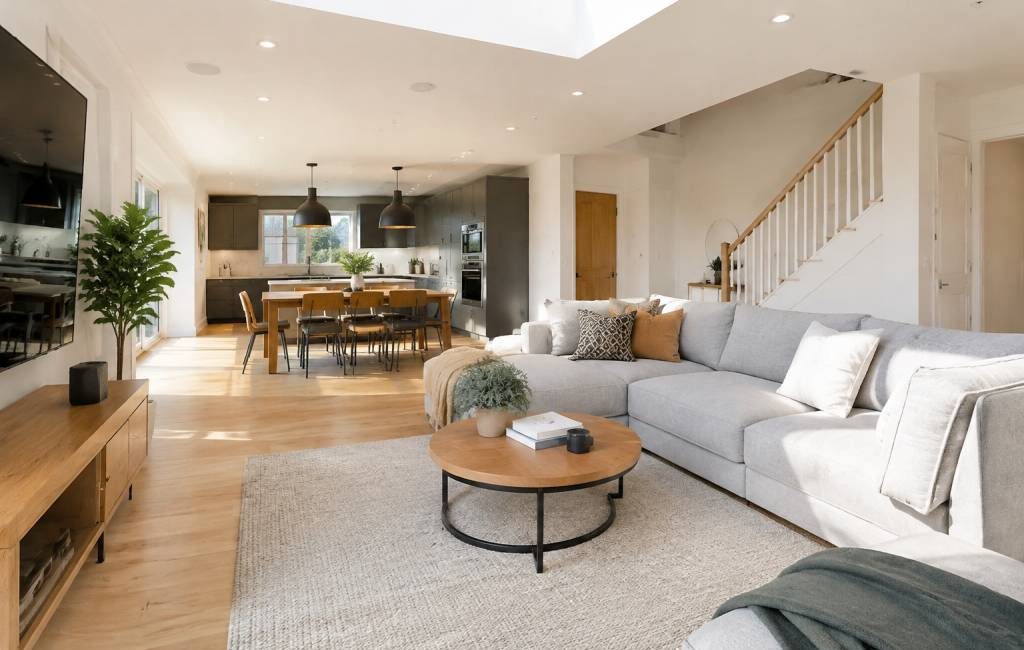
Remodelling your home is more than changing a tired kitchen or knocking down a wall. Done well, it is a chance to make your property work better for the way you actually live. Perhaps the hallway feels cramped, the bathroom belongs in another decade, or the spare room has become a storage area with a desk somewhere underneath it. Home remodel services can turn those frustrations into practical, comfortable spaces that feel distinctly yours.
The key is to approach the work with a clear plan. A successful remodel balances design, structure, budget and everyday use. It should look good in photographs, certainly, but it must also cope with muddy boots, busy mornings, visiting family and all the small routines that make a house a home.
What do home remodel services include?
Home remodelling covers a wide range of projects, from a single-room update to a complete renovation. The right service will depend on the age of your property, your goals and the scale of the changes you have in mind.
Typical home remodel services may include:
- Kitchen design and installation
- Bathroom renovation
- Open-plan living space alterations
- Loft conversions and garage conversions
- Home extensions
- Structural wall removal and steel beam installation
- Electrical and plumbing upgrades
- New flooring, plastering and decorating
- Window, door and insulation improvements
- Built-in storage and bespoke joinery
Some contractors offer a complete design-and-build package, while others specialise in particular trades. A design-and-build team can be especially useful when several elements need to work together. Moving a wall, for example, may affect the electrics, plumbing, flooring, lighting and heating. It is rarely just a case of picking up a sledgehammer and hoping for the best.
Start with how you use your home
Before browsing taps, tiles or paint colours, take time to understand what is not working in the current layout. This is the practical foundation of any good remodel.
Ask yourself a few straightforward questions. Where does clutter gather? Which rooms feel too dark? Do you lack storage, seating or worktop space? Is the house difficult to heat? Are doors opening into one another? These observations may sound simple, but they often reveal more than a folder of glossy inspiration photographs.
I once visited a home where the owners were convinced they needed a much larger kitchen. After looking at the layout, it became clear that the real issue was poor storage and an awkward position for the fridge. A full extension was not necessary. Better cabinetry, a relocated appliance and a small breakfast ledge transformed the room at a fraction of the expected cost. Sometimes the best solution is not more space, but better use of the space already available.
Create a short list of priorities and separate essential work from desirable extras. A reliable heating system, sound flooring and adequate lighting may be more valuable than an expensive decorative feature. You can always add the finishing touches later; correcting poor planning is much harder.
Choosing the right remodelling approach
There is no universal formula for improving a home. The most suitable approach depends on the property and the people living in it.
A cosmetic remodel may involve decorating, new flooring, lighting, doors and fitted furniture. This can refresh a home without major structural work and is often suitable when the layout already functions well.
A partial remodel focuses on one or two rooms or addresses a specific issue, such as combining a small kitchen and dining area. This offers a noticeable improvement while keeping the project more manageable.
A full renovation may include structural alterations, new services, insulation, windows and a complete internal refit. It can deliver the greatest transformation, but it also requires more detailed planning, a larger budget and patience while the work progresses.
Extensions and conversions create additional floor area, but they are not automatically the best investment. A loft conversion can be excellent for a bedroom or home office, while a garage conversion may suit a playroom, studio or accessible living space. Consider how the new room will be used throughout the year, not just how impressive it sounds on an estate agent’s brochure.
Planning, permissions and building regulations
One of the less glamorous parts of remodelling is also one of the most important: checking what approvals are required. Depending on the location and scope of the work, you may need planning permission, building regulations approval, party wall agreements or approval from a freeholder.
Internal alterations are sometimes straightforward, but removing a load-bearing wall, changing drainage or extending a property can involve several legal and technical requirements. A professional contractor should be able to explain which permissions apply and when specialists such as structural engineers are needed.
Building regulations are concerned with safety, structure, fire protection, ventilation, energy efficiency and accessibility. They are not simply bureaucratic hurdles. They exist to ensure that the work remains safe and performs properly once the decorators have packed away their brushes.
Ask for the relevant paperwork before work begins, and keep records of certificates, warranties and approvals. These documents can be valuable if you sell the property in the future.
Building a realistic remodelling budget
Every home remodel needs a budget, but a useful budget is more than a single optimistic figure written on the back of an envelope. Break the costs into clear categories:
- Design, surveys and professional fees
- Planning and building control charges
- Materials and fixtures
- Labour and site preparation
- Waste removal and temporary storage
- Heating, electrical and plumbing upgrades
- Decoration and final cleaning
Set aside a contingency fund for unexpected work. In older properties, allowing around 10 to 15 per cent can provide a sensible cushion, although complex renovations may require more. Once walls and floors are opened, hidden problems can appear: outdated wiring, damp, damaged joists or plumbing that has been repaired so many times it resembles a patchwork quilt.
Request detailed quotations rather than vague estimates. A quotation should explain what is included, the expected timescale, payment stages and how variations will be handled. The cheapest figure is not always the best value. A low price may exclude preparation, waste removal, painting or final connections, leaving you with several unwelcome additions later.
It is also wise to make product choices early. Tiles, sanitaryware, appliances and windows can have long lead times. Delaying a decision about a bath or kitchen worktop can hold up an entire sequence of trades.
Designing rooms that work every day
Good design combines appearance with movement, storage and maintenance. In a kitchen, consider the relationship between the sink, hob and refrigerator. In a bathroom, allow enough room to use each fitting comfortably and think carefully about ventilation. In a living room, plan furniture positions before deciding where sockets and lighting will go.
Lighting deserves particular attention. A single ceiling pendant may technically illuminate a room, but it will not create the most pleasant or practical atmosphere. Layered lighting can combine general illumination with task lighting and softer accent lights. Under-cabinet lights, wall fittings and dimmable lamps can make a considerable difference without requiring a dramatic redesign.
Storage is another area where a little planning pays off. Full-height cupboards make good use of vertical space, while built-in benches, recessed shelves and under-stair cabinets can turn awkward corners into useful ones. The best storage is often the storage you do not notice until you realise the room stays tidy.
When selecting materials, think beyond the showroom. Pale grout may look beautiful on a sample board, but will it cope with muddy trainers and a busy family? Delicate flooring may not be suitable for large dogs. Durable, repairable materials often provide better long-term value than fashionable finishes that need constant care.
Finding dependable home remodelling professionals
Recommendations from friends, neighbours and local trade networks can be helpful, but always carry out your own checks. Look for relevant experience, recent examples of completed work and clear communication from the first meeting.
A dependable contractor should be willing to:
- Visit the property and discuss your requirements in detail
- Explain the proposed work in plain language
- Provide a written quotation and programme
- Supply references or examples of similar projects
- Confirm insurance and relevant qualifications
- Identify potential risks before work begins
- Explain how changes and unexpected costs will be managed
Pay attention to how they handle questions. Remodelling involves many decisions, and you need someone who will raise concerns rather than quietly work around them. A contractor who says, “That detail needs checking before we proceed,” is often more reassuring than one who promises everything instantly.
For larger projects, ask who will be on site each day and who will coordinate the different trades. Clear responsibility reduces confusion and helps keep the programme moving.
Keeping disruption under control
Even a well-organised remodel creates dust, noise and occasional inconvenience. If the kitchen or bathroom is being renovated, plan how you will manage without it. A temporary sink, microwave station or spare-room washing area may not be glamorous, but it can preserve a little domestic sanity.
Protect furniture and floors in areas that remain in use, and agree how materials will be delivered and stored. Keep children and pets away from the working area, especially when tools, exposed wiring or wet materials are present.
Try to avoid changing the design halfway through unless it is genuinely necessary. Variations can affect cost, ordering and the work of several trades. Of course, discovering that a proposed door opens directly into a radiator is a good reason to adjust the plan. Wanting a different shade of green after the walls have been painted twice is rather less urgent.
Making energy efficiency part of the plan
A remodel is an excellent opportunity to improve comfort and reduce running costs. Depending on the project, this could involve better loft or wall insulation, draught-proofing, efficient glazing, modern heating controls or improved ventilation.
Replacing old lighting with efficient LED fittings is a simple step. In a larger renovation, you might also consider heat-loss calculations, zoned heating, solar panels or low-energy appliances. Ask professionals to explain the likely costs and benefits rather than choosing equipment based solely on a label.
Energy improvements should be planned alongside other work. Insulation is easier to install before plasterboard goes up, and wiring for smart controls is simpler before walls are decorated. Good timing can save both labour and frustration.
Enjoying the finished transformation
The most successful home remodels do not simply follow a trend. They reflect the character of the property and the habits of the people who live there. A period terrace may benefit from carefully chosen modern comforts, while a newer home might need warmer materials and more individual detail.
Take photographs before work starts, keep your plans and receipts organised, and record any maintenance information for new systems and appliances. When the final piece of trim is fitted, allow yourself time to live in the space before making further changes. The way a room feels on a quiet Sunday morning can tell you more than a showroom display ever will.
Whether you are updating one tired room or reshaping the entire house, thoughtful home remodel services can make a property more practical, comfortable and enjoyable. Start with the way you live, plan carefully, choose experienced people and leave room for the unexpected. The result should not merely look like a new home; it should feel like a better version of the one you already own.