
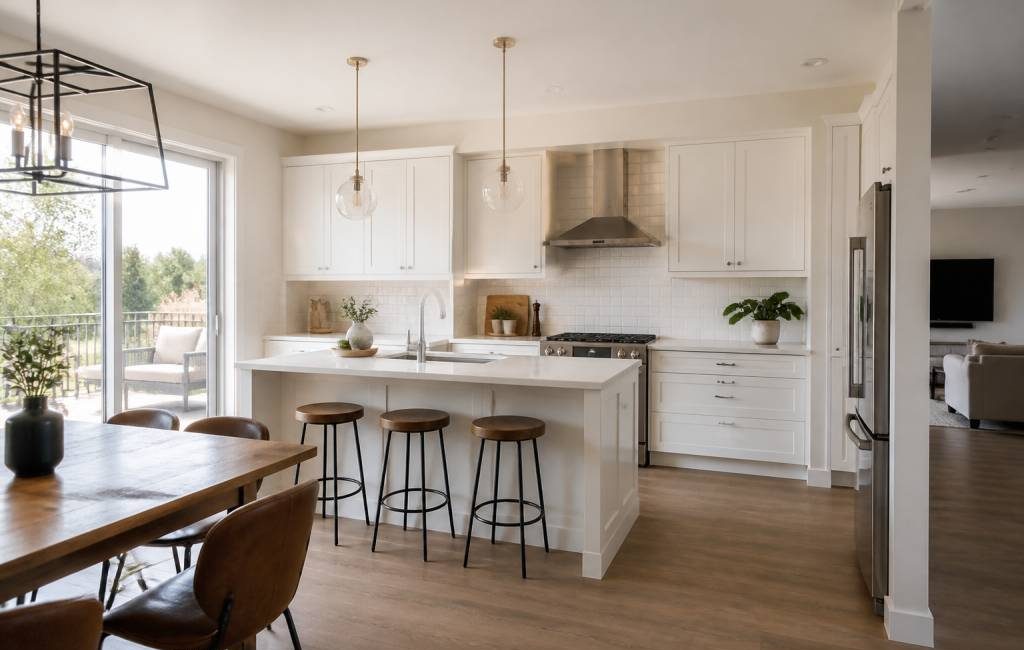
Modern homes ask for more than a fresh coat of paint and a nice sofa. They need spaces that work harder, feel better, and adapt to the way people actually live today. That is where home renovation services come in. Done properly, they can transform a tired layout into a practical, comfortable, and beautiful living space without losing the character that makes a house feel like home.
Over the years, I’ve seen one pattern again and again: most homeowners do not start a renovation because they want “more work.” They start because something no longer fits. The kitchen feels too cramped. The bathroom looks dated and leaks a little too often for comfort. The living room is dark in the afternoon, even with every light switched on. These are not just cosmetic issues. They affect daily life.
Good renovation services do not simply replace old with new. They look at how a space can support modern living better. And that can mean anything from opening up a layout to improve flow, to upgrading insulation so the house holds warmth like it should, to rethinking storage so the whole place feels calmer. Sometimes the best improvement is the one you stop noticing because it just works.
Why modern homes need smarter renovation services
Homes built a few decades ago were often designed around different routines. Separate rooms, smaller kitchens, less emphasis on open-plan living, and fewer expectations around energy efficiency were all common. Today, households want flexibility. A room might need to function as an office in the morning, a play area in the afternoon, and a place to unwind in the evening. That puts pressure on the layout, the materials, and even the lighting.
Modern renovation services help bridge that gap. They take the bones of an existing home and adapt them to present-day needs. This might include structural changes, new finishes, better plumbing, improved electrics, or a complete redesign of how the rooms connect.
One homeowner I spoke to described their old kitchen as “a hallway that happened to contain a fridge.” Harsh, but fair. After a thoughtful renovation, the same footprint became a sociable kitchen-diner with proper worktop space, hidden storage, and enough light to make cooking feel less like a chore and more like a pleasure. That kind of change is not just visual. It changes how people use the house every day.
What home renovation services usually include
Renovation services can cover a wide range of work, depending on the condition of the property and the goals of the project. Some homeowners want targeted improvements. Others want a full refresh from top to bottom. Either way, the key is to focus on what brings lasting value.
- Kitchen renovation to improve layout, storage, lighting, and practicality.
- Bathroom upgrades for better ventilation, waterproofing, and modern fixtures.
- Living space redesign to create better flow and more usable square footage.
- Loft or basement conversion to add functional rooms without extending the footprint.
- Electrical and plumbing updates to improve safety and support modern appliances.
- Insulation and energy-efficiency improvements to reduce heat loss and running costs.
- Flooring, plastering, and decorating to give the home a clean, cohesive finish.
That list may look straightforward, but in practice each item involves decisions that shape the whole project. For example, replacing a bathroom suite is one thing. Reworking the pipework, improving moisture control, and choosing materials that handle daily wear is another. The difference between a surface-level job and a proper renovation often shows up after the first winter.
The real value is in the planning
Any renovation worth doing starts long before the first tool comes out. Planning is where many projects succeed or stumble. It is tempting to jump straight to tile samples, paint colours, and shiny new fittings. I understand the appeal. Few things are as satisfying as holding a sample board and imagining the finished room. But the practical questions matter first.
What is not working in the space today? Is the issue layout, storage, light, or wear and tear? Are there hidden problems such as damp, poor wiring, or ageing pipes? Will the new design support how the household lives now, and how it may change in the future?
A good renovation service helps homeowners answer those questions honestly. It is often better to spend an extra hour in planning than to spend an extra month correcting avoidable mistakes. And yes, “we’ll sort it later” is rarely a phrase that saves anyone money.
Proper planning should also include:
- Setting a realistic budget with a contingency for surprises
- Identifying which parts of the property need specialist attention
- Deciding which features are essential and which are optional
- Understanding whether permissions or building regulations apply
- Creating a timeline that accounts for sourcing materials and scheduling trades
That last point is often underestimated. Renovations rarely happen in a perfect straight line. Materials can be delayed, hidden issues can appear, and one trade may need to finish before another can begin. A sensible plan does not pretend otherwise. It makes room for the realities of building work.
Renovating for comfort, not just appearance
A beautiful home is lovely. A comfortable home is better. The best renovation services improve both at once. Modern living spaces should feel good to use, not just good to photograph.
Comfort can come from small but meaningful upgrades. Better lighting can make a room feel larger and more welcoming. Underfloor heating can transform a cold bathroom into a space people actually enjoy using on winter mornings. Improved insulation can reduce draughts and make the whole house feel calmer and more consistent in temperature. Even a more thoughtful socket layout can remove everyday irritation. No more trailing extension leads under the sofa, which, let’s be honest, was never a design feature.
Acoustics matter too. In open-plan homes, sound can bounce around like it is late for a train. Careful use of soft finishes, zoning, and layout changes can make these spaces far more pleasant. A renovation should not only look modern. It should support quieter mornings, easier cleaning, simpler routines, and less stress overall.
Design choices that suit modern living
Modern homes tend to benefit from clarity, practicality, and a bit of restraint. That does not mean plain or characterless. It means every element should earn its place. A strong renovation design usually balances clean lines with durable materials and a layout that makes daily life easier.
Some design choices that work particularly well in modern homes include:
- Light-reflecting finishes to improve brightness in smaller or darker rooms
- Built-in storage to reduce visual clutter
- Neutral base colours with selective accents for flexibility over time
- Large-format tiles or seamless flooring for a more open feel
- Sliding or pocket doors where space is limited
- Layered lighting with task, ambient, and feature zones
The goal is not to copy a showroom. It is to create a home that fits the people living in it. A young family may need hardwearing finishes and flexible storage. A couple working from home may want acoustic separation and dedicated work areas. An older homeowner may prioritise accessibility, safer access, and lower-maintenance surfaces. Good renovation services adapt to those differences rather than forcing one formula onto every property.
How to spot a renovation that is worth the investment
Not every improvement delivers the same return, and not every trend deserves a place in your house. When deciding where to invest, it helps to focus on changes that improve daily life, boost efficiency, or solve a real problem.
As a rule, the best renovation investments are the ones that combine function and durability. A stylish kitchen that falls apart after two years is not a win. A simple, well-built room that performs beautifully for a decade is.
Ask yourself:
- Will this improvement make the home easier to live in?
- Will it reduce maintenance or energy waste?
- Does it address a genuine issue in the property?
- Will it still feel relevant in five or ten years?
That final question is useful. Trends move quickly, but a well-designed home should not need constant reinvention. Timeless does not have to mean boring. It means making choices that age well, both visually and practically.
Working with the right renovation team
The quality of a renovation often depends less on the idea itself and more on the people delivering it. A strong renovation team brings technical skill, good communication, and an eye for details that can easily be missed. They know how to manage the sequence of work, coordinate trades, and solve problems before they become expensive.
When speaking to a renovation provider, pay attention to how they discuss the project. Do they ask about how you use the space, or do they rush straight to product options? Do they explain the process clearly? Do they seem comfortable discussing structure, finish, timeline, and budget without making everything sound like a sales pitch?
Useful signs of a reliable team include:
- Clear explanations rather than vague promises
- Experience with properties similar to yours
- Attention to detail during the initial assessment
- Transparent discussion of costs and likely challenges
- Willingness to adapt the design to your needs
Renovation is a partnership. The homeowner brings the vision, the team brings the know-how, and the best results happen when both sides are listening. That may sound obvious, but in building work, obvious is often the first thing to disappear when people get excited about skipping steps.
Small upgrades that make a surprisingly big difference
Not every home improvement needs to be a major structural project. Sometimes smaller renovations create the most immediate improvement in comfort and usability. These are often the changes people appreciate most once the dust has settled.
Think about replacing awkward lighting with properly planned fixtures. Or upgrading worn flooring in the hallway, which is one of the hardest-working parts of any home. Fresh internal doors, better skirting, improved storage in the utility room, or a more efficient boiler can all shift the feeling of a property in a meaningful way.
These upgrades may not sound dramatic on paper, but daily life is made up of small moments. A better-placed light switch. A cupboard that actually fits the vacuum cleaner. A bathroom that warms up quickly. These are the details that shape whether a home feels frustrating or effortless.
Creating a home that feels ready for the future
Home renovation services are not only about fixing what is old. They are about preparing a house for the way life is lived now, and the way it may need to work in the years ahead. That could mean making a property more energy efficient, easier to maintain, more flexible for changing routines, or simply more pleasant to spend time in.
Modern homes should do more than look smart. They should make everyday life smoother, calmer, and more practical. When renovation is done with care, the results are easy to feel: better light, better flow, better storage, better comfort. The house starts pulling its weight.
And that, in the end, is what good renovation work is really about. Not chasing perfection, not overcomplicating things, but shaping a home that fits real life a little better than it did before.